 Business License

What Are Air Shocks?
What Are Air Shocks?
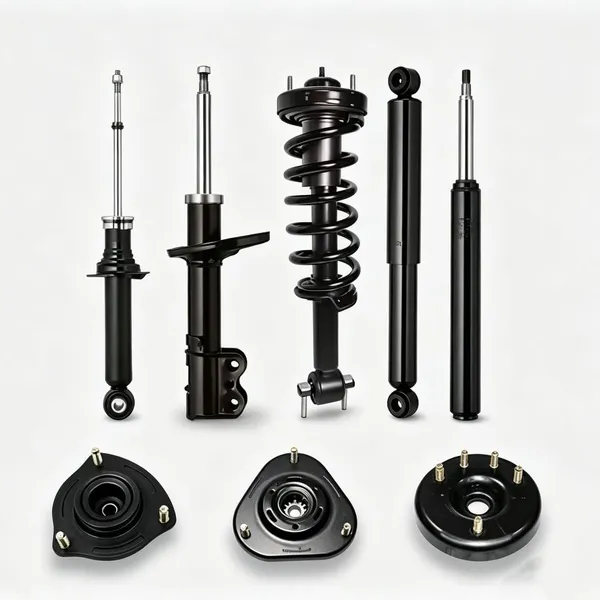
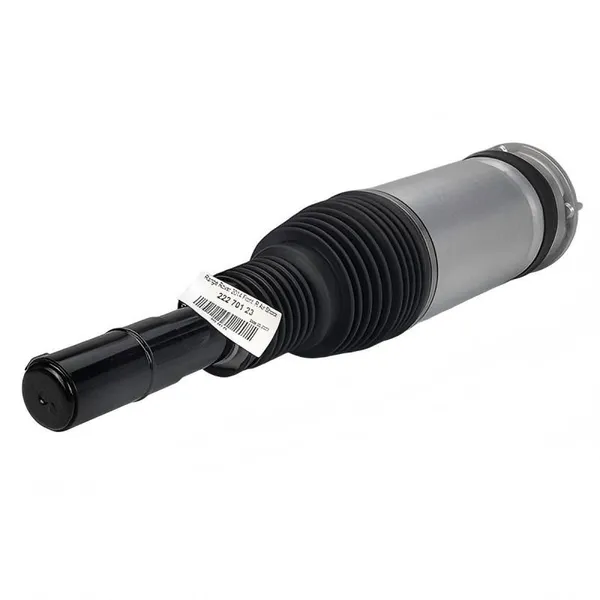
Air shocks are a unique type of suspension component that differ significantly from the more familiar mechanical springs and dampers found in many road vehicles. Where traditional parts use strictly mechanical means to absorb impacts and maintain ride comfort, air shocks incorporate adjustable pneumatic elements to achieve a similar – and often superior – result.
Distinguishing Air Shocks from Traditional Suspension Components
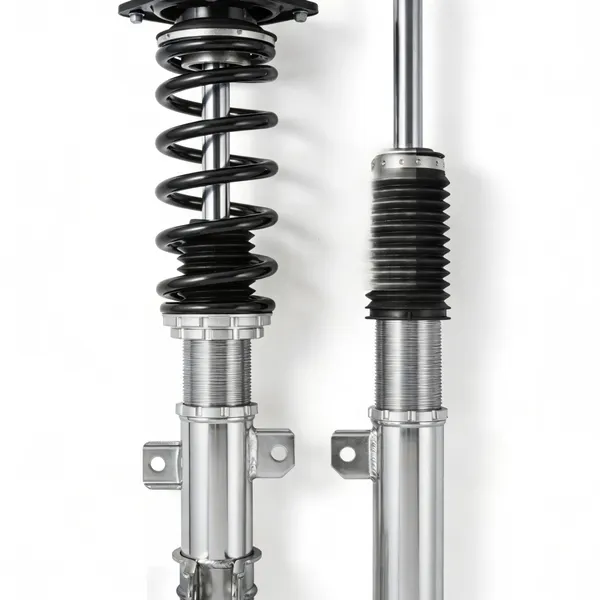
Fundamentally, air shocks are a form of adjustable shocks that use air pressure for cushioning and maintaining proper vehicle ride height. While mechanical springs – such as coil springs and leaf springs – offer a fixed rate of compression, air shocks boast the ability to adjust to varying load conditions and road surfaces. A traditional suspension setup is usually composed of a spring that absorbs road bumps and a shock absorber that reduces the resultant vibrations. Conventional steel springs and basic shocks work well but remain static in their operation, with little to no adjustability.
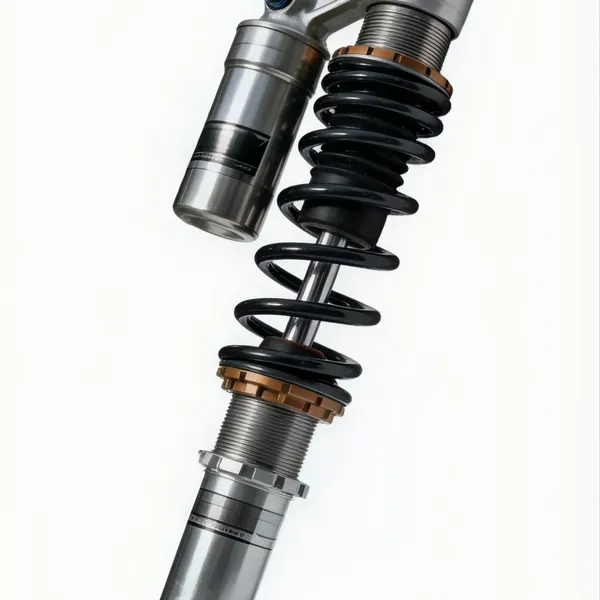
In contrast, air shocks use a chamber filled with gas - typically nitrogen - and a sealed column of hydraulic fluid to combine the roles of spring and damper. They allow the driver to control the firmness of the ride, a luxury that regular compression-based springs do not afford. This tunability enables air shocks to provide a smooth ride under light loads or a firmer setting when carrying heavy weights, such as when a truck is equipped with a heavy tire carrier or a car carries a trunk full of items.
The Mechanism behind Air Shocks Operation
The operation of air shocks involves the inflating and deflating of an air bag inside the shock to alter the pressure. When inflated, the air bags lift the vehicle, increasing ride height and often improving the overall experience by smoothing out a larger bump or adjusting for increased drag from additional weight. To adjust for a heavier load or for stability during activities like drag racing, a higher air pressure is used, providing additional lift and firmness. This capacity is a clear advantage over springs, which can only compress and rebound at a predetermined rate.
On the other hand, if the vehicle needs a lower center of gravity or a softer ride, deflating the air shocks results in a compressed height and a plusher feel. Air springs and pneumatic valves manage the flow of air and maintain the correct pressure based on the parameters set by an electronic control unit or adjusted manually. This feed of air can come from an onboard air receiver tank, which makes changes to ride height and firmness a matter of pushing a button or flipping a switch, saving extra time and effort.
However, there are potential drawbacks; if not set up properly, a harsh ride can ensue. Issues like air line failure or valve problems can lead to failure of the system. Cost is also a factor – air shocks and their installation can be pricier compared to regular shocks, and they may require more maintenance. Additionally, finding the correct air pressure often involves a period of adjustment; for example, setting a too low figure like 26lbs might result in a tad of tire scrub against the fender.
For enthusiasts and professionals alike, the allure of air shocks comes down to their capacity for customization and control. Whether adjusting the suspension for routine commuting or prepping for a full load, air shocks offer a wide range of settings to fine-tune the riding experience. This dynamic capability is why many are firm fans of air shocks, despite the extra cost and potential complexities of managing an air suspension setup.
The Advantages of Utilizing Air Shocks
Air shocks are not merely an alternative to traditional suspension systems; they offer clear advantages that appeal to drivers seeking an optimal balance between comfort and performance. With their adaptability and precision, air shocks enhance the driving experience, particularly in terms of ride quality and the ability to uphold a desired vehicle ride height irrespective of load variations.
Enhancing Vehicle Ride Quality
A significant advantage air shocks present is the substantial enhancement of ride quality. They provide a smoother ride, preserving comfort and reducing fatigue over long distances. Air shocks do this by:
· Adapting to different road conditions.
· Reducing vibrations more effectively than regular shocks.
· Maintaining a consistent ride experience, regardless of the presence of bumps or other surface inconsistencies.
This adjustability ensures that vehicles equipped with air shocks can maneuver over various terrains, from highways to unpaved roads, while absorbing shocks that would otherwise jolt passengers.
Air Shocks' Capability to Maintain Vehicle Ride Height
Maintaining a vehicle's ride height is crucial for optimal handling and safety. Air shocks stand out in their ability to:
· Automatically adjust the ride height through systems like auto ride height technology.
· Compensate for additional loads, preserving the vehicle’s center of gravity.
They utilize sensors and an electronic control unit to maintain the necessary pressure in the air bags, serving to keep the vehicle level even when ferrying heavy payloads or when there are uneven weight distributions.
The Role of Air Shocks in Custom Applications
In custom applications, air shocks become especially valuable:
· They offer tailored suspension setups for unique vehicle specifications.
· Enthusiasts can fine-tune the suspension to their exact preferences.
· Custom show vehicles benefit from the ability to adjust height dramatically, which is not possible with conventional suspension components.
Whether it’s for enhancing aesthetics or tuning for specific performance requirements, air shocks provide unparalleled levels of customization.
Use of Air Shocks in Coaches and Buses
For passenger transport vehicles like coaches and buses, air shocks are not just an option but a necessity. They play a central role in ensuring:
· Passenger comfort over long periods.
· Stability and safety, especially in vehicles that carry a high center of gravity.
· The ability to handle varying loads as passengers embark and disembark.
By using air shocks, these commercial vehicles can offer a consistent quality of ride that benefits both the operator and the customer.
In conclusion, the adoption of air shocks in various vehicle types underscores their versatility and capability to offer both a comfortable ride and perform under a range of demanding conditions, from personal cars to commercial buses. With an eye on both enjoyment and efficiency, air shocks clearly justify their place in modern suspension systems.
Recently Posted
-
Under the skin: how air suspension helps more than ride quality
August 28, 2026Under the skin: how air suspension helps more than ride qualityAir suspension gives a greater range of control than steel springs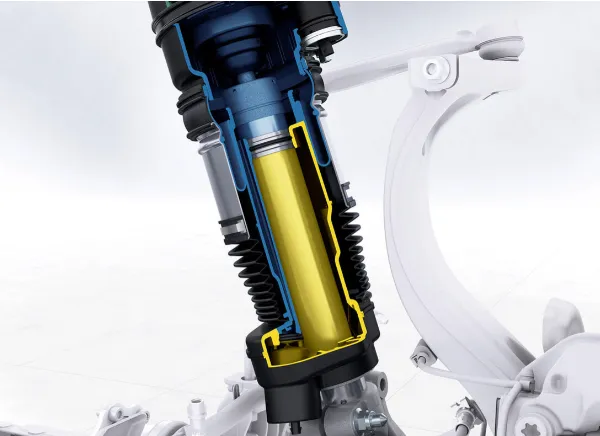 Read More
 -
The Evolution of Shock Damping Technology: From Mechanical to Electronic Control
August 27, 2026The Evolution of Shock Damping Technology: From Mechanical to Electronic ControlIn the early 2000s, it looked like electronic damp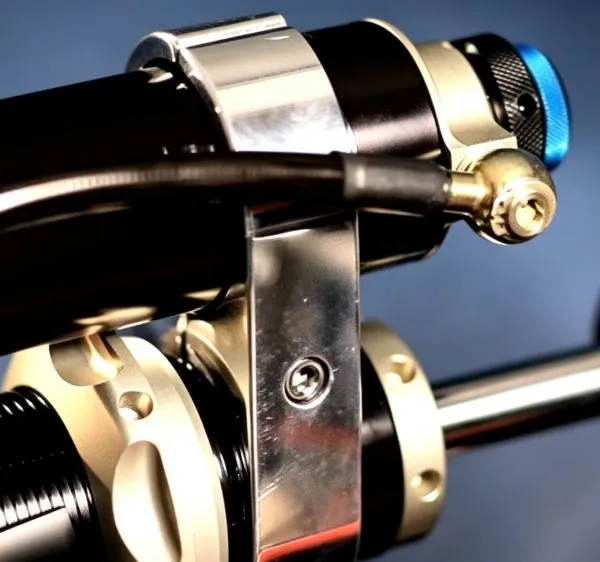 Read More
 -
Understanding Shocks
August 27, 2026Understanding ShocksRenowned racing engineer Carroll Smith had trouble understanding shock absorbers, so don’t feel bad if you’re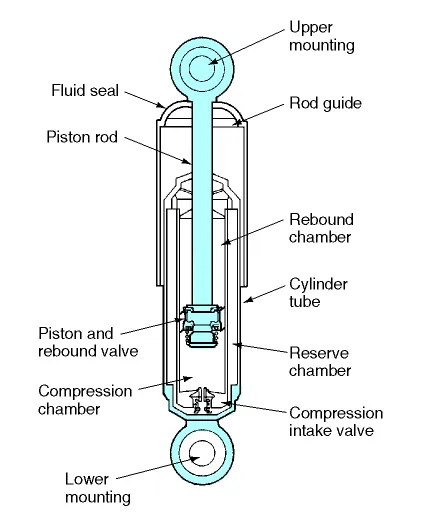 Read More
 -
Nitrogen Charging in Racing Shocks: The Critical Factor Most Racers Overlook
August 27, 2026Nitrogen Charging in Racing Shocks: The Critical Factor Most Racers OverlookMost drivers start suspension tuning with springs, cli Read More

Contact Us
Recommended Products
-
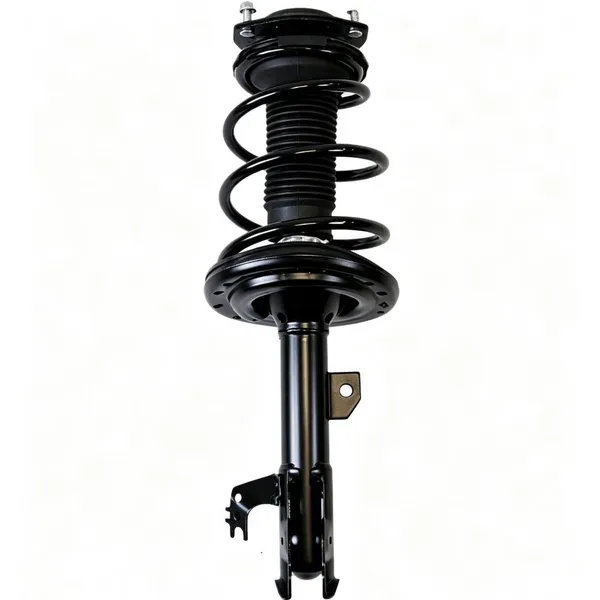
 Toyota Camry EZ Strut Full Strut AssemblyUS$ 130MOQ: 2 Units
 -
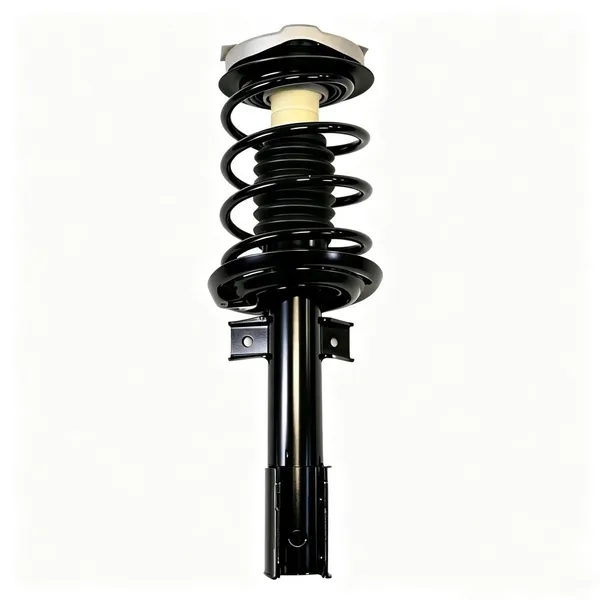
Mercedes-Benz GLK350 EZ Strut Full Strut AssemblyUS$ 140MOQ: 2 Units
-
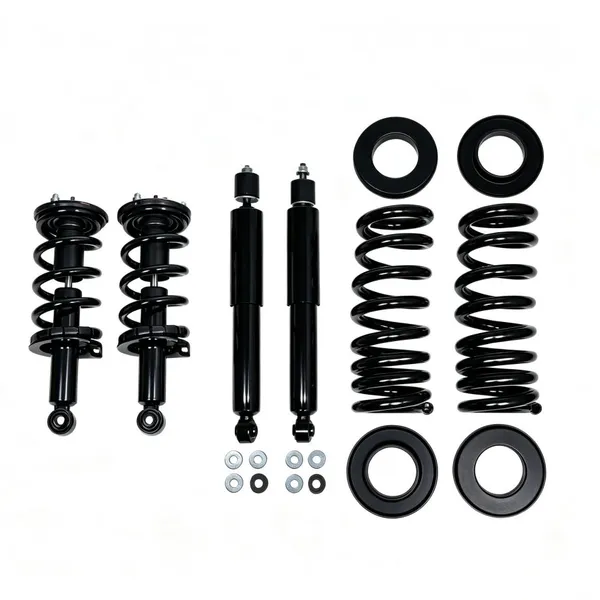
Infiniti QX56 With Hydraulic Body Motion Control 4 Wheel Conversion KitUS$ 939MOQ: 1 Unit
-
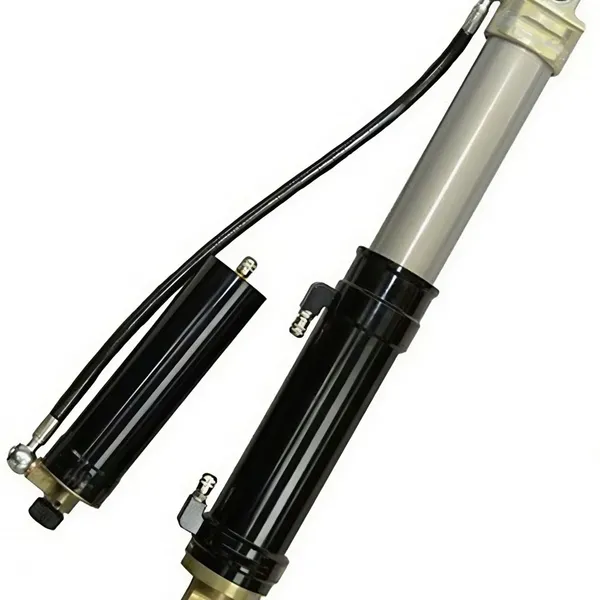
Late Model Air ShockUS$ 1810MOQ: 1 Unit
-
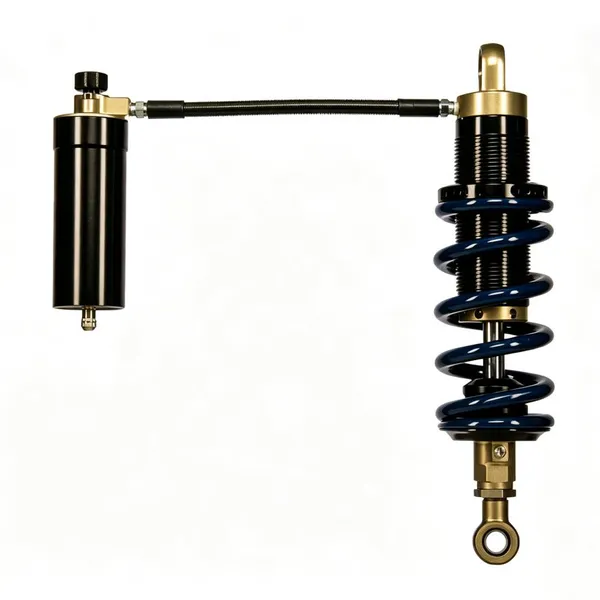
Drag Double Adjustable Coilover ShockUS$ 1115MOQ: 1 Unit
-
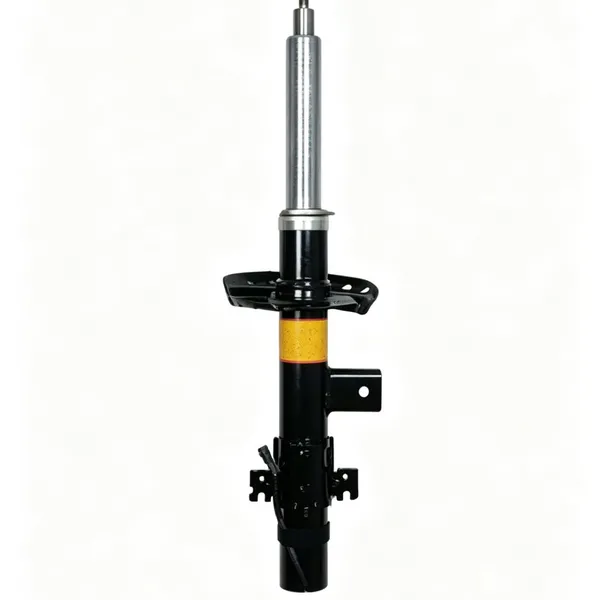
2012-2017 Land Rover Range Rover Evoque Left Rear OE Replacement Magnetic StrutUS$ 325MOQ: 2 Units
-
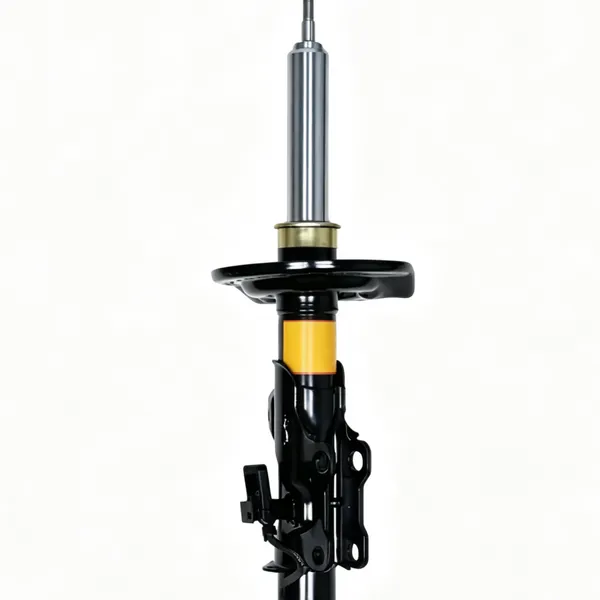
2016-2024 Chevrolet Camaro Front Right Replacement Magnetic StrutUS$ 445MOQ: 2 Units
-
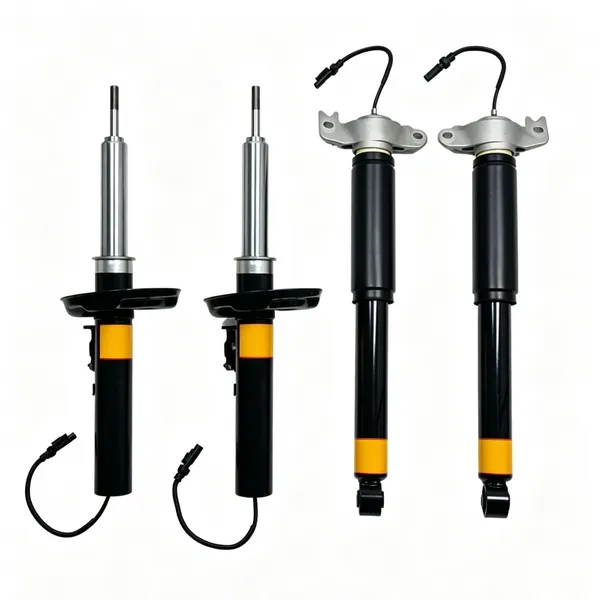
2013-2019 Cadillac XTS AWD/FWD Magnetic Strut 4-Wheel OE Replacement KitUS$ 1185MOQ: 1 Unit
-
2015-2020 Chevrolet Tahoe (RWD) Magnetic Struts 4 Wheel OE Replacement KitUS$ 1595MOQ: 1 Unit
-
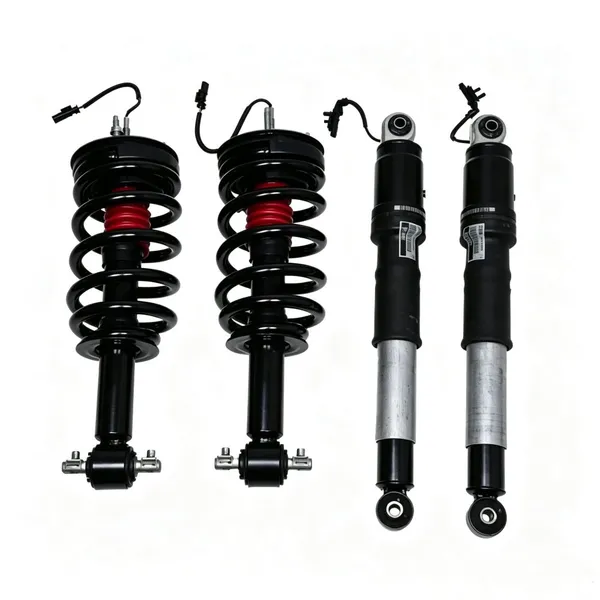
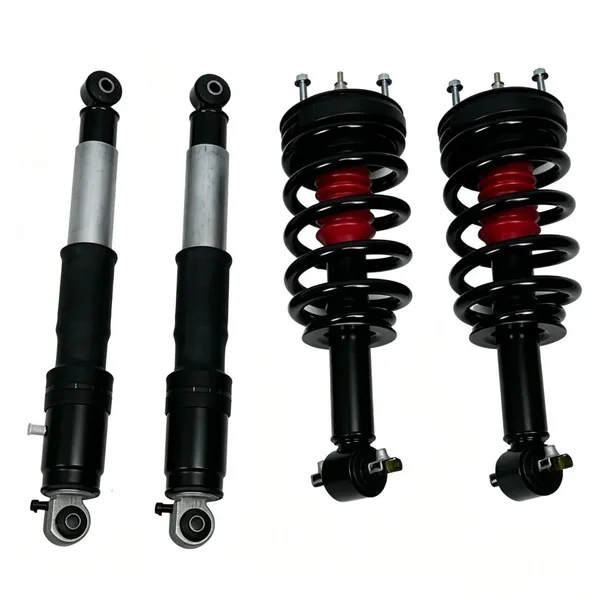
2007-2014 Cadillac Escalade, Escalade ESV and EXT Magnetic Shocks & StrutsUS$ 1375MOQ: 1 Unit
-
2015-2020 Cadillac Escalade 4WD Magnetic Struts Front OE Replacement KitUS$ 895MOQ: 2 Units
-
2013-2019 Cadillac XTS AWD/FWD 2-Wheel Front Conversion KitUS$ 385MOQ: 2 Units
-
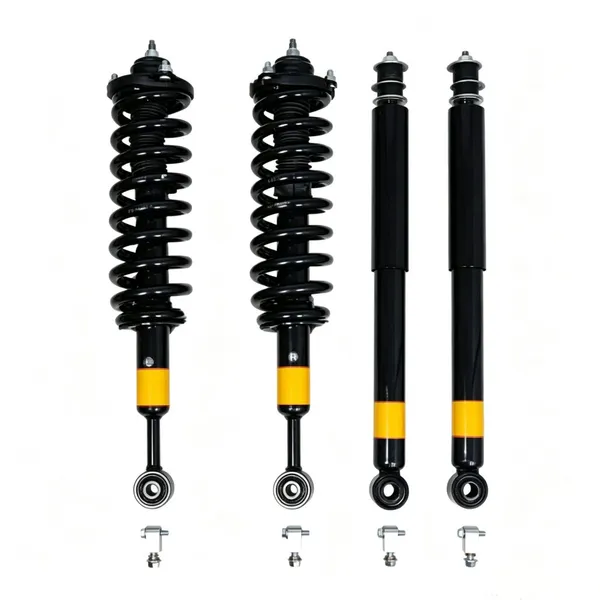
2010-2024 Toyota 4Runner (4WD) 4-Wheel X-REAS Hydraulic Suspension Conversion/Delete KitUS$ 539MOQ: 2 Units
-
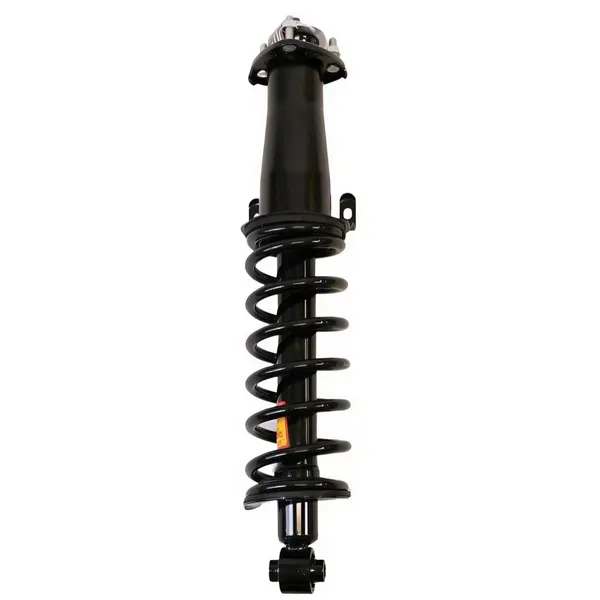
2006-2013 Lexus IS250 AWD EZ Strut Full Strut Assembly (Rear)US$ 139MOQ: 5 Units
-
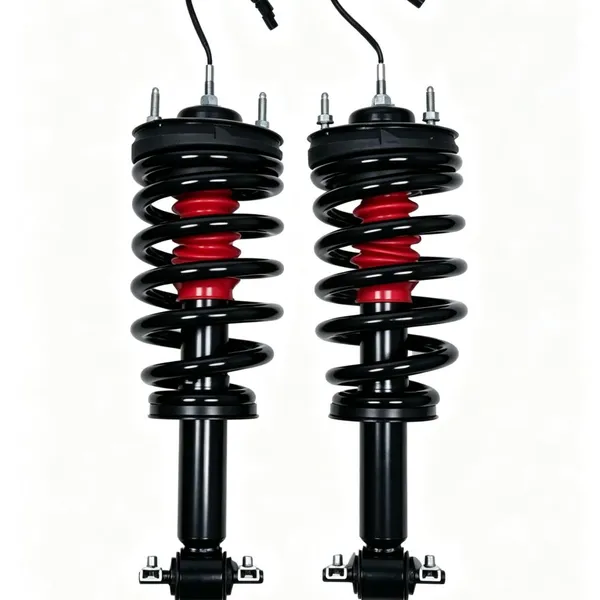
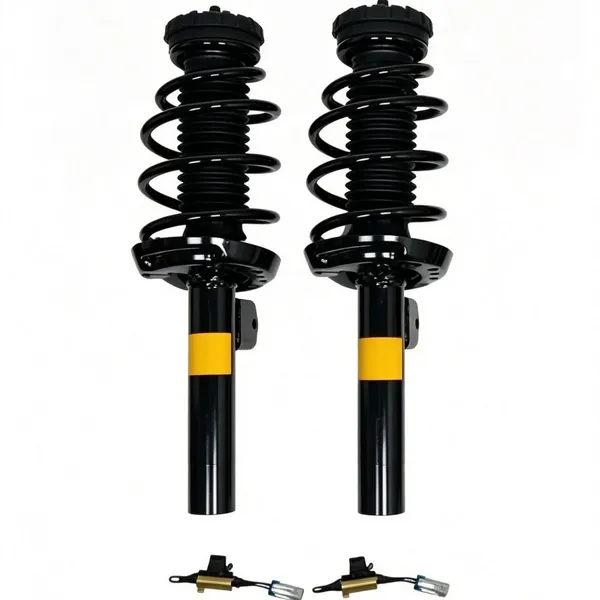
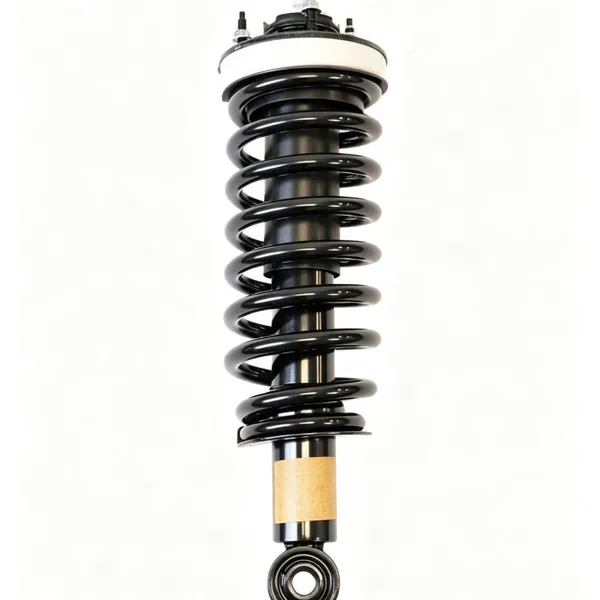
2003-2011 Lincoln Town Car EZ Strut Full Strut Assembly (Front)US$ 109MOQ: 5 Units
-
Wholesale Auto Parts Car Shock Absorber for 172363 172364 Toyota-Sienna 3.5L V6US$ 15MOQ: 50 Units
-
Race & Track Performance Shock AbsorberNegotiableMOQ: 2 Units
-
Street Performance Shock AbsorberNegotiableMOQ: 2 Units
-
Adjustable Coilovers Suspension KitNegotiableMOQ: 2 Units
-
Land Rover New Model Front Air Suspension ShockNegotiableMOQ: 2 Units