 Business License

What to Consider When Buying Suspension
What to Consider When Buying Suspension
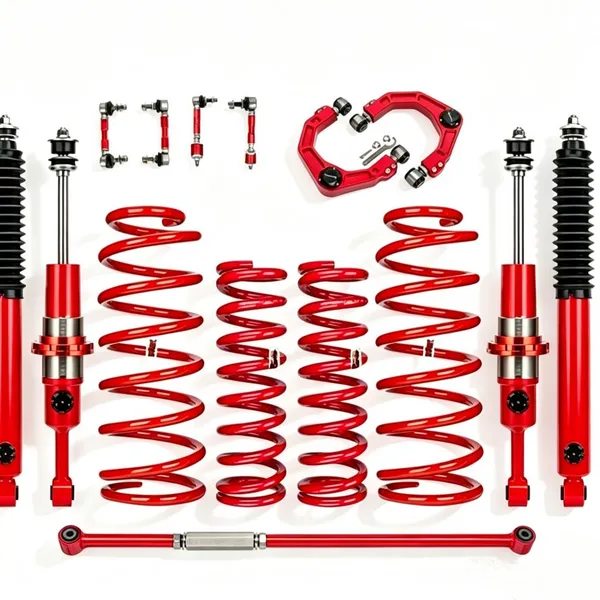
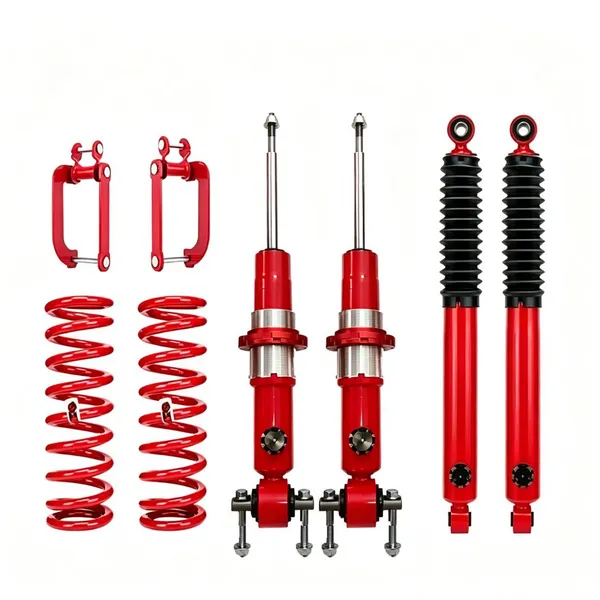
The Main Suspension Parts, Explained
Springs
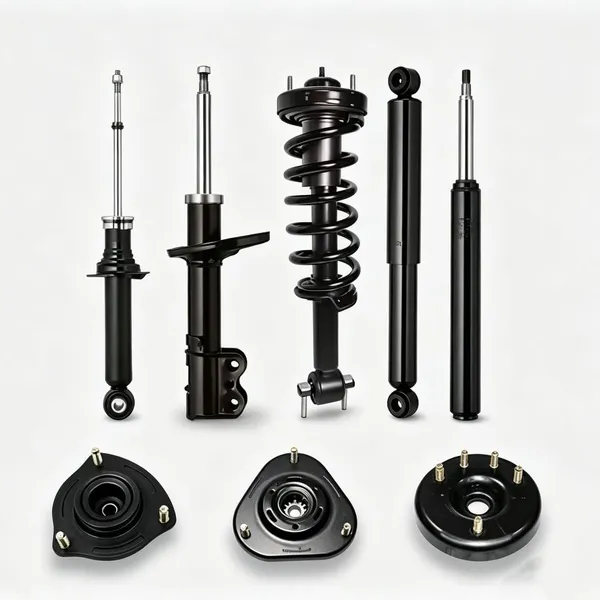
The spring is the energy-storing component of the suspension. It absorbs road impacts, supports the car's static weight, and controls body roll through corners. Spring rate, measured in pounds per inch or kilograms per millimeter, is the single most consequential tuning variable in any setup. Get the rate wrong for your car and driving style and nothing else in the setup can compensate.
Dampers (Shocks or Struts)
The damper controls how the spring moves through the suspension stroke. Without damping, a spring would bounce forever after every bump. The damper converts spring energy into heat through hydraulic resistance and keeps the tire in contact with the pavement. Monotube designs respond faster. Twin-tube designs tend to ride softer on the street. Both are valid depending on how the kit is engineered.
Coilovers
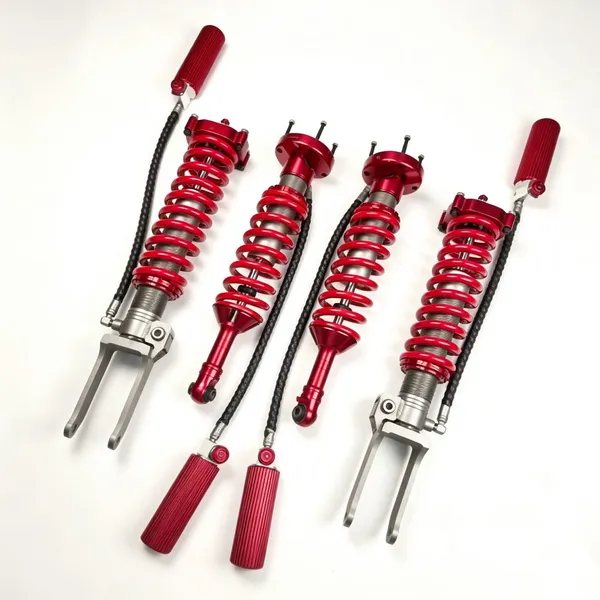
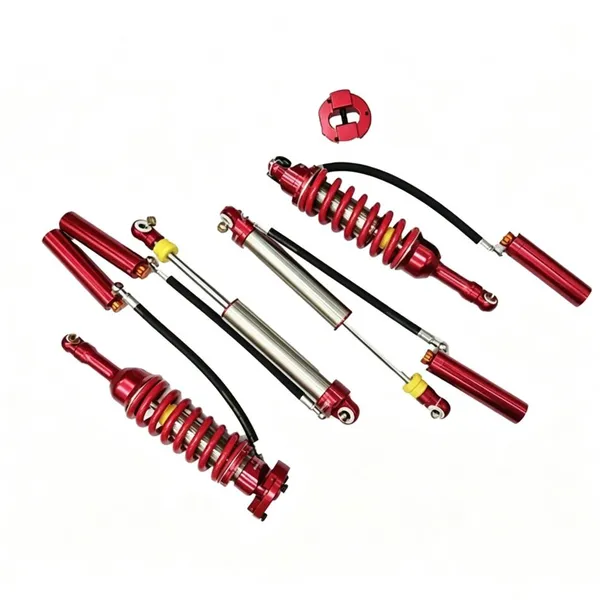
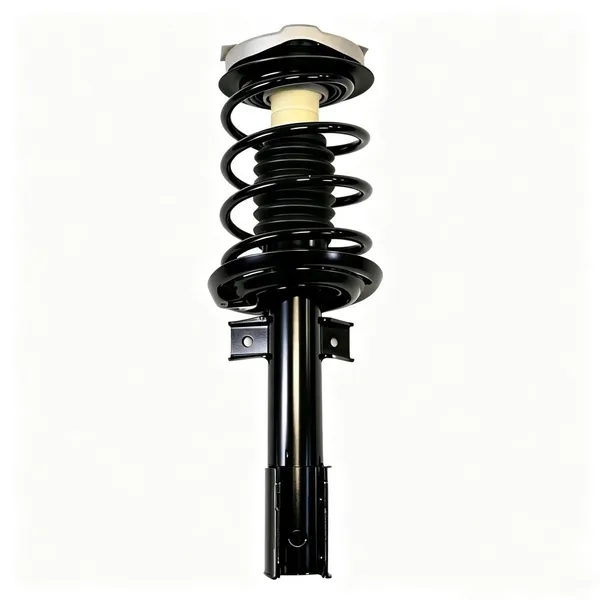
A coilover kit integrates the spring and damper into one assembly at each corner, mounted on a threaded shock body with a locking collar that sets ride height. The design reduces unsprung weight compared to many factory setups and delivers adjustability the factory setup cannot match. A coilover kit is the most common performance suspension upgrade for enthusiasts who want real control over how the car handles.
Sway Bars
Sway bars, also called anti-roll bars, connect the left and right sides of the suspension and resist body roll in corners. Stiffer bars reduce roll and shift the car's cornering balance. They are a meaningful complement to a proper coilover kit and often one of the most cost-effective handling upgrades available.
Control Arms
Control arms connect the wheels to the chassis. Each arm affects caster, camber, or toe, and upgraded arms are commonly used to restore or fine-tune suspension geometry after a ride height change. On lowered cars, adjustable control arms are often needed to correct the geometry back to spec.
Tie Rods
Tie rods connect the steering rack to each front wheel and transmit steering input to the tires. They do not typically change with a suspension upgrade, but their length and geometry matter on dropped cars and sometimes need adjustment during an alignment.
Tip 1: Choose the Suspension Type That Matches Your Goals
Three main aftermarket suspension categories exist. Lowering springs, coilovers, and air suspension.
Lowering Springs
If you want to keep most of the factory suspension and simply drop the ride height, lowering springs are the budget-friendly starting point. They replace the factory springs with shorter, stiffer units while keeping the factory dampers in place. Cost is low and installation is straightforward. On newer cars with active suspension, lowering springs are often all the factory damping can handle.
Coilover Kits
The most common choice among enthusiasts who want real handling improvement, better stance, and genuine adjustability. A coilover kit gives you ride height adjustment, damping control on most kits, and matched spring and damper engineering from brands. For serious street and track use, this is the default answer.
Air Suspension
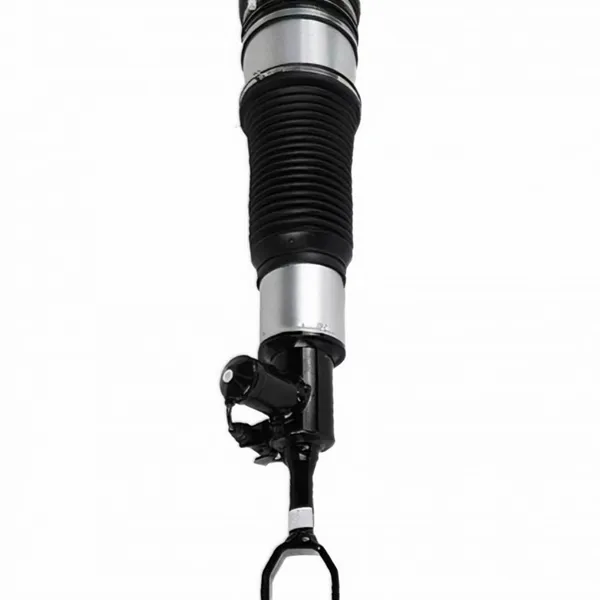
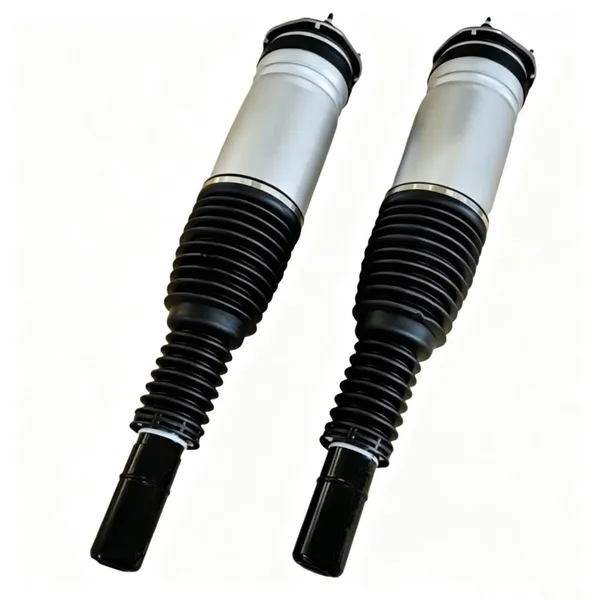
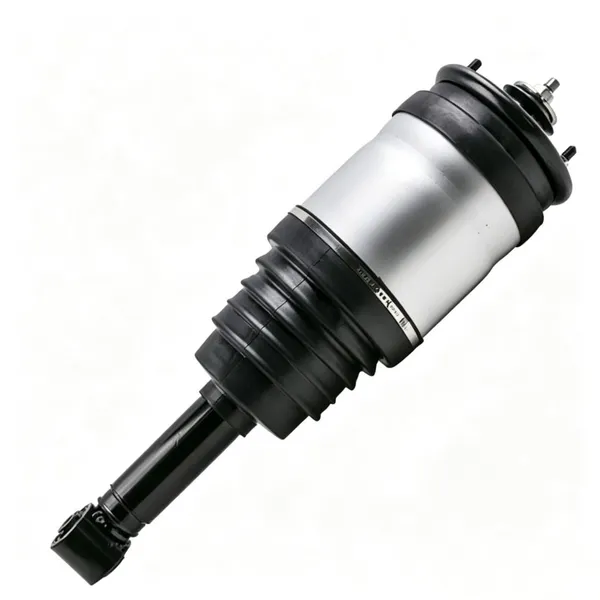
Air suspension replaces the springs with air bags and adds a management system to control pressure. The unique benefit is active ride height adjustment, raising or dropping the car on demand. Air suspension is the most expensive category and carries ongoing maintenance requirements the other two do not. It makes sense for show cars, stance builds, and specific lifestyle uses. For pure handling performance, a proper coilover kit remains the stronger choice.
Tip 2: Understand Your Options and Price Band
Once you have chosen the suspension type, start looking at brands and price bands. Avoid both underpaying and overpaying. You do not want a cheap kit that is not up to par with how you drive. You also do not want a premium race kit if a mid-tier street setup would serve you better.
Three common price bands help frame the decision.
Entry and budget ($400 to $900). Solid street performance with real warranty and documentation. Not built for serious track abuse.
Mid-tier performance ($1,200 to $2,500). Real adjustability, street plus light track, excellent value.
Premium and track ($2,500 to $8,000+). Serious performance suspension for dedicated track, time attack, and professional motorsports use.
Tip 3: Do the Research Before You Buy
Read reviews. Watch installation videos. Pull up write-ups on your specific chassis and platform. Suspension is a significant investment and the kit stays with the car for years, so the research up front pays off every time. Look for real owner experiences on your exact year, make, model, and trim rather than generic brand testimonials.
Pay attention to what owners say about ride quality over time, not just on day one. Check how the kit handles your local road conditions. Cold-weather behavior, salt belt corrosion resistance, and heat-soak performance all matter depending on where you live and how you drive.
Tip 4: Work With a Dealer That Actually Helps
This is the secret weapon most buyers miss. The biggest problem in this industry is that too few vendors are equipped or willing to provide real customized support before and after the sale. Anyone can take an order. Not everyone stays involved once the box ships.
Call around before you commit. Send emails. Use live chats. Get to know the person selling a coilover kit to you. If they answer the phones, call you back, reply to emails, and spend real time with you showing genuine product knowledge and concern for your specific needs, that is who you should buy from. If they do not, move on.
A Few Final Considerations
Budget for installation if you are not doing it yourself. Budget for an alignment after the install, which is non-negotiable on any kit. Budget for possible geometry correction parts such as camber arms on lowered cars. The full cost of a suspension project is the kit plus the install plus the alignment plus any ancillary parts your specific setup requires.
Plan for lead times. Some kits ship fast. Others come from build-to-order production queues that can run three to twelve weeks. Tell the dealer your timeline before you commit so they can match you to a kit that actually shows up in your window.
Frequently Asked Questions
Should I buy lowering springs or a coilover kit?
If you want a simple drop with budget-friendly cost and the factory dampers are fine, lowering springs work. If you want real adjustability, genuine handling improvement, and a kit engineered as a matched system, a coilover kit is the better investment. Most enthusiasts who start with springs eventually move to coilovers.
What is the biggest mistake buyers make?
Shopping on price alone. A cheap generic coilover kit often rides worse than factory, fails earlier, and ends up getting replaced with a proper kit within a year or two. The total cost of the wrong choice is almost always higher than just buying the right kit up front.
How much should I spend on a suspension upgrade?
For a daily-driven street car, $1,200 to $2,500 hits the sweet spot with a real coilover kit. For dedicated track or high-end street use, $2,500 to $5,000 covers premium options. Racing and professional motorsports pushes higher. Pick the band that matches how you actually use the car.
Do I need an alignment after installing coilovers?
Yes. Any ride height change affects camber and toe, and driving on incorrect geometry burns through tires quickly and makes the car handle badly. A professional alignment after every suspension change protects the tires and lets the kit perform the way it is supposed to.
Can I mix and match components from different brands?
Technically yes, but usually no. Matched-system coilover kits from a single brand are engineered together. Mixing a generic spring with a premium damper, or running aftermarket sway bars against mismatched spring rates, creates behavior that often makes the car worse rather than better. Start with a matched kit and adjust from there.
What about sway bars and other parts?
A proper coilover kit handles 80 percent of the handling improvement. Adjustable sway bars, camber arms, and end links are worthwhile next-step upgrades for drivers who want to keep dialing in the setup. Start with coilovers, drive the car, then decide what else the setup actually needs.
Recently Posted
-
More and More Audi Owners Are Converting Factory Suspension to Coilovers
September 4, 2026More and More Audi Owners Are Converting Factory Suspension to CoiloversAudi has built its reputation on engineering excellence, a Read More
 -
Coilovers: The Cornerstone of Every Drift Setup
September 4, 2026Coilovers: The Cornerstone of Every Drift SetupIn drifting, control is everything. From the moment you initiate the slide to the s Read More
 -
What Are Coilovers? The Complete Guide
September 4, 2026What Are Coilovers? The Complete GuideUnderstanding Coilover Suspension SystemsA coilover is a suspension assembly that combines a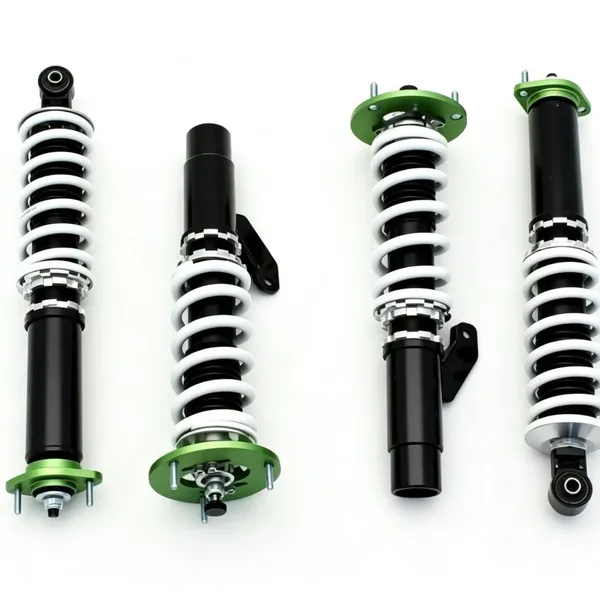 Read More
 -
Labor Cost to Replace Struts and Shocks (2026 Complete Guide)
September 4, 2026Labor Cost to Replace Struts and Shocks (2026 Complete Guide)Replacing shocks and struts typically costs:· Shocks labor: $120 – $2 Read More

Contact Us
Recommended Products
-
 Hydraulic Strut Assembly Tesla Model 3/Y 2017-2024 Rear Left/Right Universal FitmentUS$ 50 - 55MOQ: 1 Unit
 -
2016-2024 Chevrolet Camaro Front Right Replacement Magnetic StrutUS$ 445MOQ: 2 Units
-
Air Shock Absorber for Bmw 7 740 I,Li 2019-2022 740 Li XDrive 2019-2022 725 D, Ld(Rear Right)US$ 129 - 139MOQ: 1 Unit
-
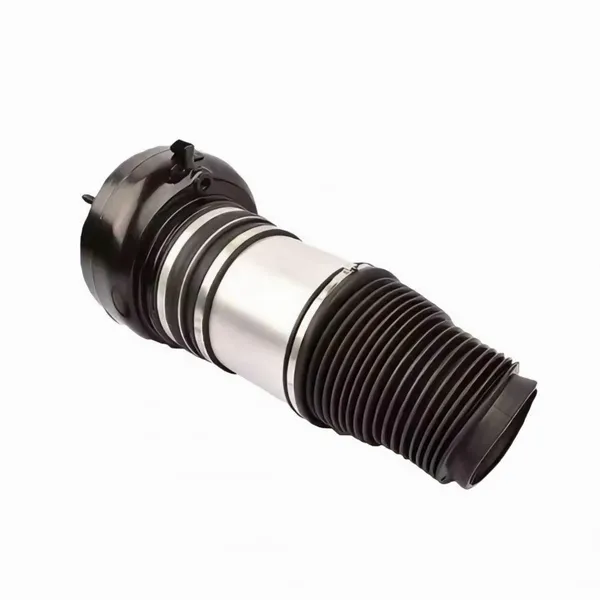
Air Shock Absorber for Audi A8 D4 A6 C7 A7US$ 230 - 235MOQ: 1 Unit
-
Front Air Suspension Shock Absorber for Audi A8 D4 4HUS$ 200 - 209MOQ: 1 Unit
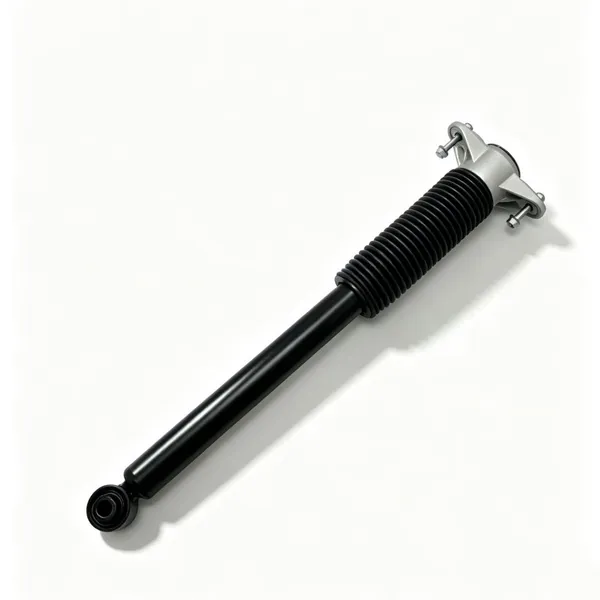
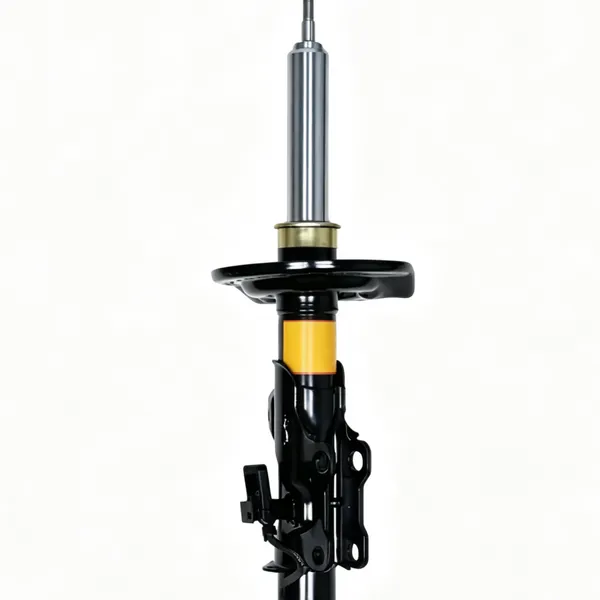
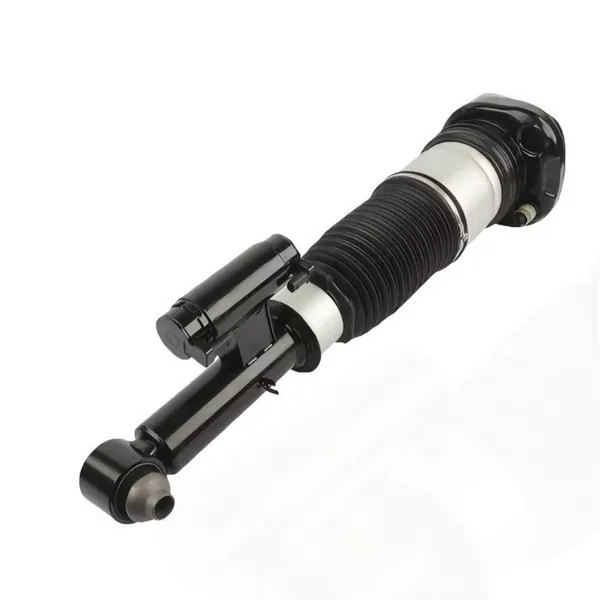
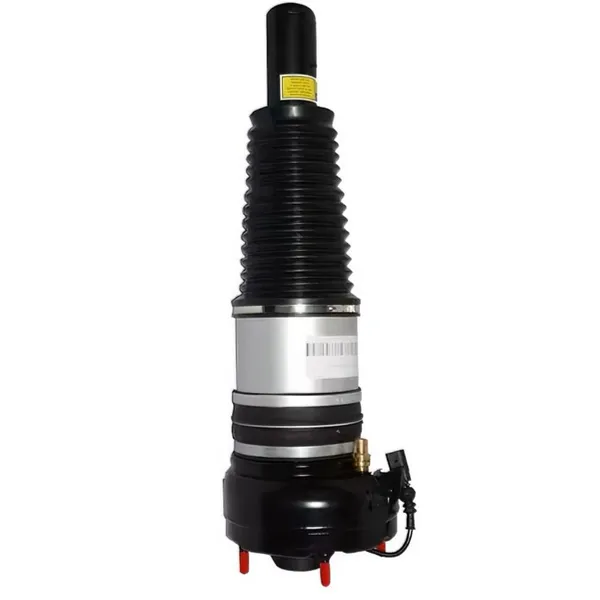
-
Hydraulic Shock Absorber Assembly for Tesla Model 3 (2017-2023) Model Y 2020-2024 PerformanceUS$ 75 - 80MOQ: 1 Unit
-
Hydraulic Shock Absorber Assembly for Tesla Model 3 (2017-2023) Model Y 2020-2024 RWDUS$ 75 - 80MOQ: 1 Unit
-
Wholesale Auto Parts Car Shock Absorber for Toyota-Sienna 3.5L V6US$ 15MOQ: 50 Units
-
Electronic Type Shock Absorber Only for Quattroporte 2013-2017 GhibliUS$ 75 - 80MOQ: 1 Unit
-
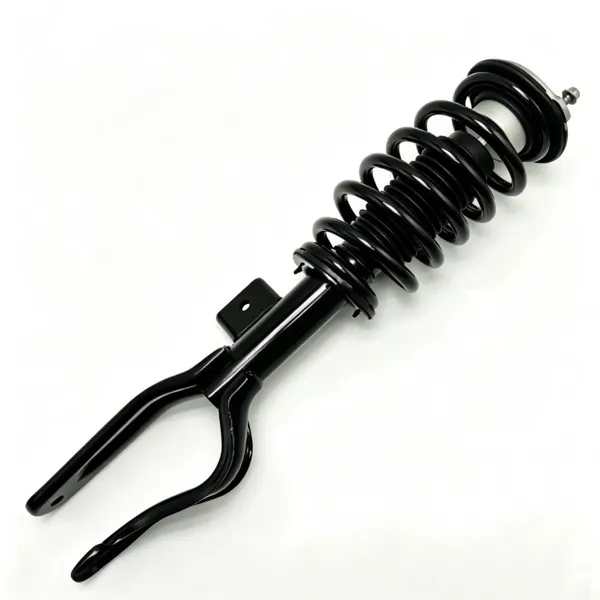
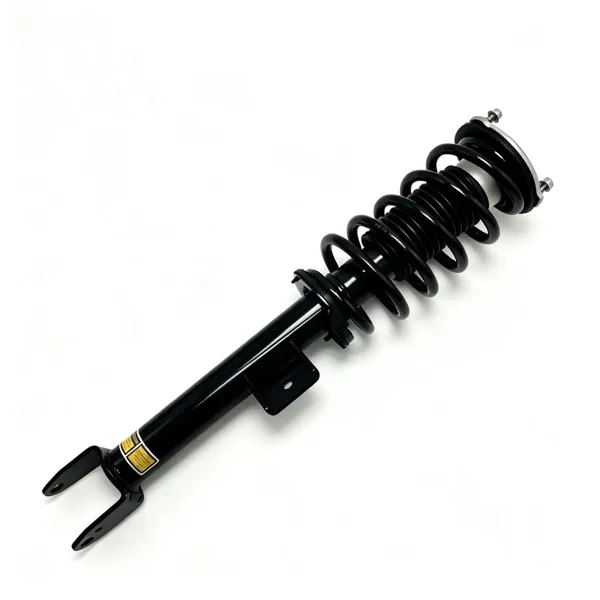
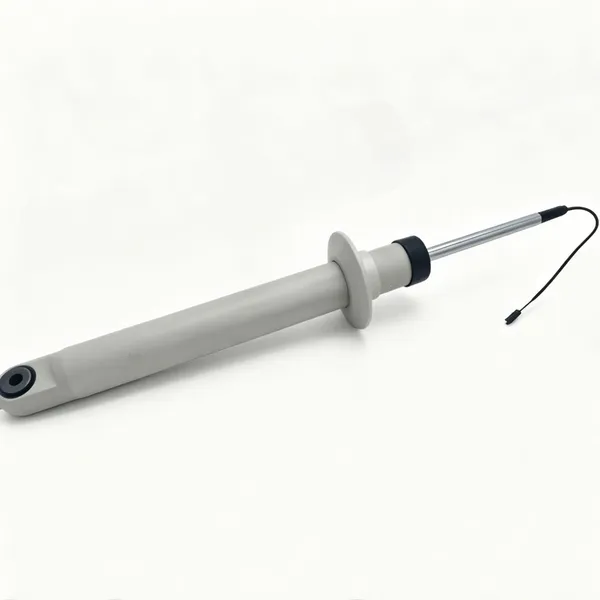
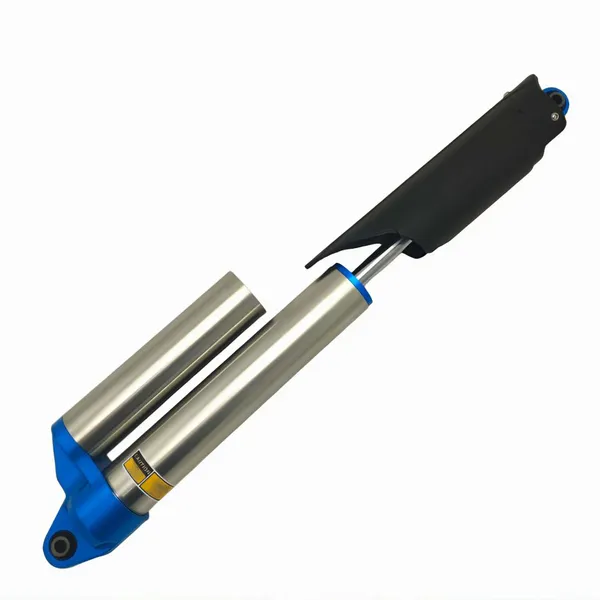
Off Road Shock Absorber Assembly for F150 Raptor 2011-2014US$ 175 - 195MOQ: 1 Unit
-
Electronic Shock Absorber Assembly for XC60 XC90 2018-2024 OE 31429978US$ 62 - 69MOQ: 1 Unit
-
Shock Absorber for Land Cruiser 300/LC300 2021- for LX600 2022- Front Left/RightUS$ 70 - 79MOQ: 1 Unit
-
Mercedes-Benz GLK350 EZ Strut Full Strut AssemblyUS$ 140MOQ: 2 Units
-
Land Rover Discovery 5 L462 2018-2020 New Defender Front Air Suspension Shock Absorber With ADSUS$ 152 - 165MOQ: 1 Unit
-
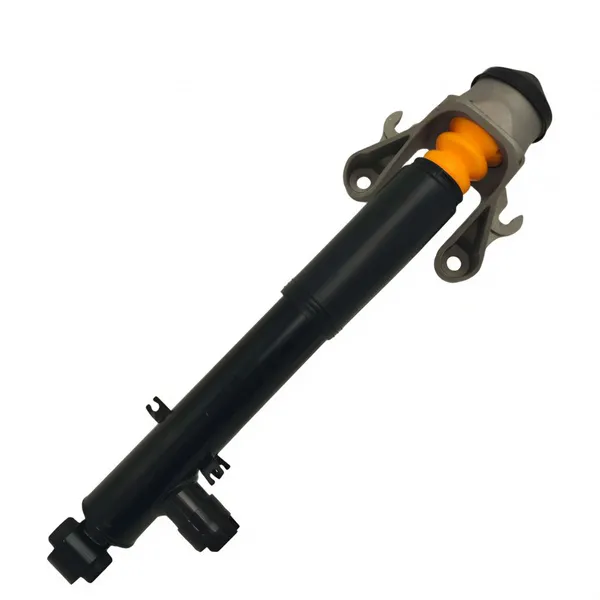
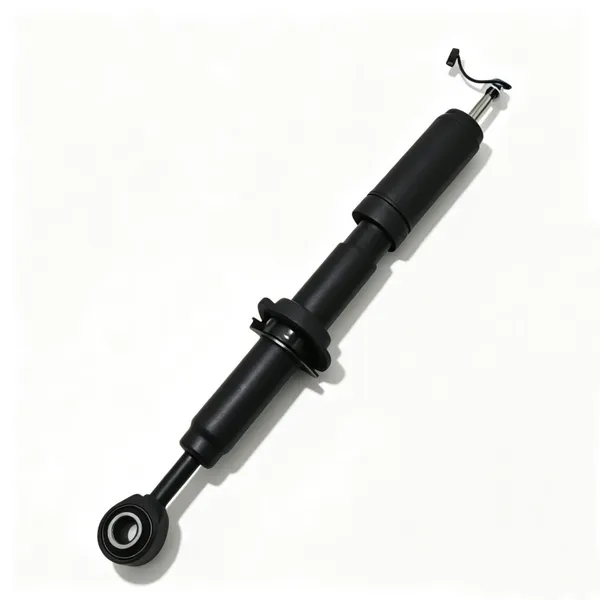
Rear Air Shock For LR3 LR4 Range Rover Sport 2005-2014 Air Suspension StrutUS$ 155MOQ: 2 Units
-
Off-Road Suspension Coilover Shock Absorber for Front for Porsche Cayenne 3inch LiftingUS$ 1500MOQ: 1 Unit
-
TOYOTA 4 RUNNER Adjustable Offroad Shock Absorbers 2 Inches Lift Kit 4X4 Suspension KitUS$ 369MOQ: 1 Unit
-
Leaf Springs Adjustable Shock Absorber Off Road 2 Inches Lift Suspension Kit for Ranger Next-Gen Ranger T9US$ 65 - 255MOQ: 1 Unit
-
Air Shock Absorber Lift Kits for Ford Ranger T6 T7 4x4 Lift With 2 InchUS$ 1500MOQ: 1 Unit
-
Front Shock Absorber for Audi A6 C6 AllroadUS$ 120 - 140MOQ: 1 Unit