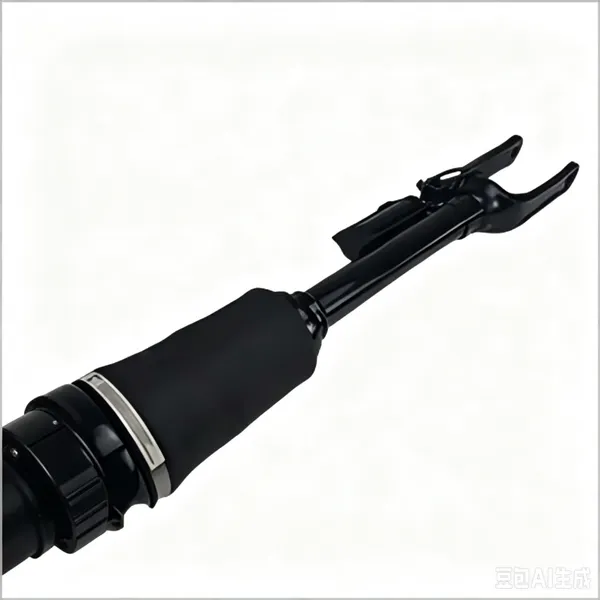
 Business License

Aftermarket Shock Absorber Market
Aftermarket Shock Absorber Market
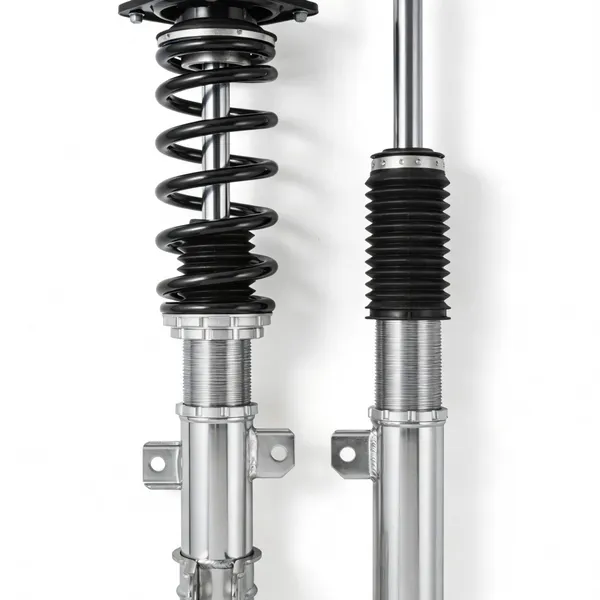
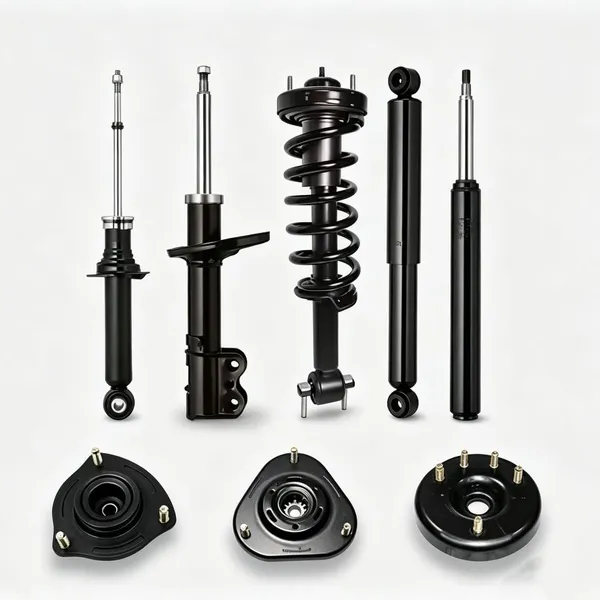
A shock absorbers are used in cars and light trucks with standard suspension systems. It provides optimum resistance by forcing hydraulic fluid through valves in the piston as it moves up and down, which dampens the movement of springs as they compress and rebound during transit. Without shock absorbers, vehicles would bounce continuously, making it difficult to regulate the movement of vehicles. Thus, shock absorbers ensure a comfortable ride, as well as improve the contact of tires with the road for better stability and control.
Recently, shock absorbers have gained considerable momentum in the automotive aftermarket, where shock absorbers are sold separately from the original equipment manufacturers (OEMs). Aftermarket shock absorbers are generally not installed in the vehicle at the factory but are acquired and deployed later as replacements for worn-out or damaged original shocks. Further, aftermarket auto components are widely available through a range of channels and mediums, such as automotive parts stores, online retailers, and specialty shops. This ease of access makes it easier for consumers to find and purchase suitable replacements or upgrades. In addition, the aftermarket for shock absorbers is driven by numerous factors, such as vehicle age and wear, performance upgrades, customization & modification, and market competition among various automotive brands.
These factors are likely to promote the demand for aftermarket automotive components, including shock absorbers, due to the constant rise in vehicle aging and increasing rate of vehicle ownership. The acceptance of aftermarket components provides cost-saving benefits, as well as offers opportunities for vehicle customization and personalization. Moreover, the rise in the proliferation of online marketplaces and e-commerce platforms has made it easier for customers to access a broad range of aftermarket products and services. Online channels deliver convenience, competitive pricing, and a broad selection of products. These aforementioned factors are contributing to the growth of the aftermarket shock absorber market across the globe.
The aftermarket shock absorber market is segmented into type, vehicle type, and region. Depending on the type, the market is segregated into twin tubes and mono tubes. As a vehicle type, it is fragmented into large commercial vehicles, heavy commercial vehicles, trailers, and buses. Region-wise, the market is analyzed across Europe, Asia-Pacific, and UAE. Europe aftermarket shock absorber market is categorized into Germany, France, Italy, UK, Spain, Finland, Poland, Israel, Sweden, Denmark, Netherlands, Belgium, Ireland, and Rest of Europe. Asia-Pacific includes China, India, Japan, South Korea, Thailand, and Rest of Asia-Pacific.
With the considerable growth in vehicle ownership due to economic development and increasing disposable income, along with the increase in awareness about automotive suspension systems, this region takes a dominating lead in the Europe, Asia-Pacific and UAE aftermarket shock absorber market. In recent years, countries such as China, Japan, and India are projected to witness significant demand for shock absorbers in the aftermarket, owing to the increase in demand for vehicles. For instance, in July 2020, demand for commercial trucks and commercial vehicles increased, according to data from the China Association of Automobile Manufacturers. Auto sales in China increased by 11.6% in June from a year earlier to 2.3 million units. Moreover, passenger vehicle retail sales in India have witnessed a growth of 62.90% in July 2021 to 261,744 units, according to the Federation of Automobile Dealers Association (FADA). Thus, a larger vehicle population often leads to higher demand for aftermarket components, including shock absorbers, which contributes to the expansion of the market. In addition, the surge in demand for smart transportation, and rise in concerns about the safety of vehicles and drivers, and the implementation of government regulations toward vehicle maintenance & tracking are the major factors responsible for the growth of the market.
China has been one of the largest automotive markets in the world. The increase in sales of automobiles in China is steadily expanding, which can drive the growth of the aftermarket automobile sector. For instance, industry data indicates that in 2023, sales of commercial vehicles in China increased by 20% year over year. Similarly, the China Association of Automobile Manufacturers estimates that 3.26 million of these vehicles were sold domestically in 2023. China's automobile industry has been distinguished by its quick expansion, emphasis on electric mobility, and government subsidies. The Chinese EV market has expanded as a result of the government's substantial support and incentives for the adoption of electric vehicles.
According to the International Council on Clean Transportation (ICCT), China has made exceptional progress by producing more than 90% of the world's electric buses and trucks in 2021. Thus, the constant growth in sales of automobiles has expanded the market for auto components, especially light commercial vehicles, creating opportunities for the aftermarket players in China. Furthermore, the presence of shock absorber manufacturing brands such as Shanghai Sachs Huizhong Shock Absorber Co. Ltd., and FAW-Tokico Shock Absorber Co. Ltd., and their developments drive the growth of the shock absorber market across the country.
Increase in demand for safety and comfort
The demand for comfort in driving experience such as handling, sitting structure, and aerodynamics has increased significantly in recent years. This has led to a rise in the need for better shock absorbers, which provide better stability for vehicles. Automobile manufacturers are also introducing new comfort features such as stability and reduced impact of bumps or speed breakers in their vehicles, which propels demand for shock absorbers.
Moreover, shock absorbers help to maintain vertical loads placed on tires by providing resistance to vehicle bounce, roll, and control. They also help reduce brake dives along with acceleration squats to achieve a balanced ride. Also, aftermarket shock absorbers are designed to provide improved performance and stability during various driving conditions. Upgrading shock absorbers can enhance a vehicle's ability to handle sudden maneuvers, reducing the risk of accidents. Hence, these aforementioned benefits may fuel the widespread adoption of the aftermarket shock absorber market, especially among consumers seeking to take advantage of cost savings.
Expansion of the automotive aftermarket industry
The aftermarket for automotive parts is auto components and parts installed after the vehicle leaves the company. This industry includes car components, replacement tires, equipment, service repair, collision repair, and accessories sold after the sale of vehicles. It covers companies that manufacture, distribute, retail, install, and remanufacture all types of automobile parts and accessories. Due to technology improvements, digitalization of vehicle repair and component sales has emerged, which has supported the growth of the automotive aftermarket industry. Furthermore, automotive aftermarket companies aggressively expand their business to increase their footprints in the global market..
Furthermore, the growth rate of online parts sales has consistently been increasing year by year. Owing to the coronavirus pandemic, customers are opting for e-commerce channels to purchase automotive spare parts. Companies across the globe have started using online sales channel/e-commerce channels to cater to their clients in the aftermarket. Thus, this pandemic has created growth opportunities for market players in the automotive aftermarket industry, which also supports the shock absorbers market.
Analyst Review
According to the leading CXOs, the aftermarket shock absorber market is expected to witness significant growth globally, due to the rise in the deployment of advanced suspension systems in the aftermarket for comfort and safety and the rapid development of commercial vehicles. The market growth is accompanied by numerous developments carried out by top aftermarket providers of shock absorbers, including such as Airtech, Pega, Febi, Roberto Nuti Group, and Sampa, which has led to the growth of the market. Moreover, regulatory changes in vehicle safety standards may further propel the growth of the market.
With larger requirements for aftermarket shock absorbers, service providers introduced various strategies, such as product launch and development, partnership, acquisition, collaboration, and business expansion, to strengthen their market position capabilities.
The key factor that drives the growth of the market is the increase in demand for passenger safety and comfort, the rise in demand for lightweight automotive shock absorbers, and the expansion of the automotive aftermarket industry. However, the high maintenance cost of advanced suspension systems is the factor likely to hinder the market growth. Furthermore, the growing electric vehicle industry is expected to provide remarkable growth opportunities for players operating in the aftermarket shock absorber market.
Among the analyzed regions, Asia-Pacific is expected to account for the highest revenue in the global market throughout the forecast period, followed by Europe. On the other hand, Asia-Pacific is also expected to witness the highest growth rate owing to the increase in income, the rise in purchasing power, and lifestyle changes, owing to rapid urbanization and the increase in awareness about automotive suspension systems. In addition, countries such as China, Japan, and India are projected to witness significant demand for shock absorbers in the future, owing to the increase in demand for vehicles. This is likely to boost the Asia-Pacific market for aftermarket shock absorbers.
Recently Posted
-
What Are Air Shocks?
August 28, 2026What Are Air Shocks?Air shocks are a unique type of suspension component that differ significantly from the more familiar mechanic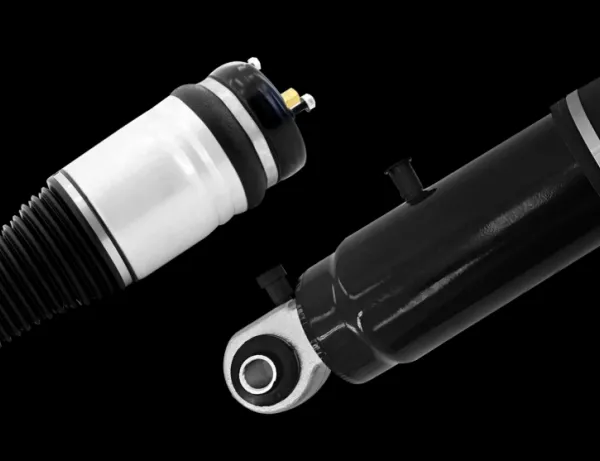 Read More
 -
Under the skin: how air suspension helps more than ride quality
August 28, 2026Under the skin: how air suspension helps more than ride qualityAir suspension gives a greater range of control than steel springs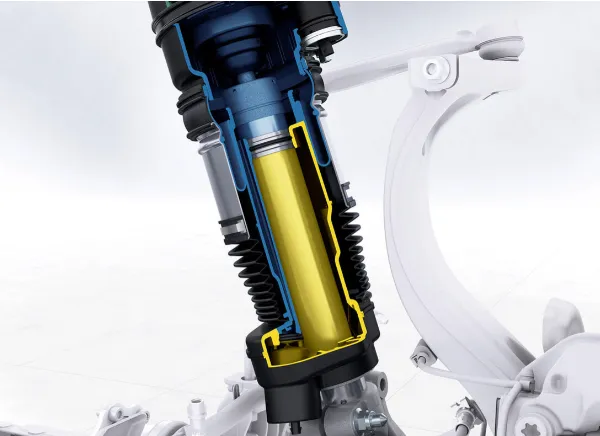 Read More
 -
The Evolution of Shock Damping Technology: From Mechanical to Electronic Control
August 27, 2026The Evolution of Shock Damping Technology: From Mechanical to Electronic ControlIn the early 2000s, it looked like electronic damp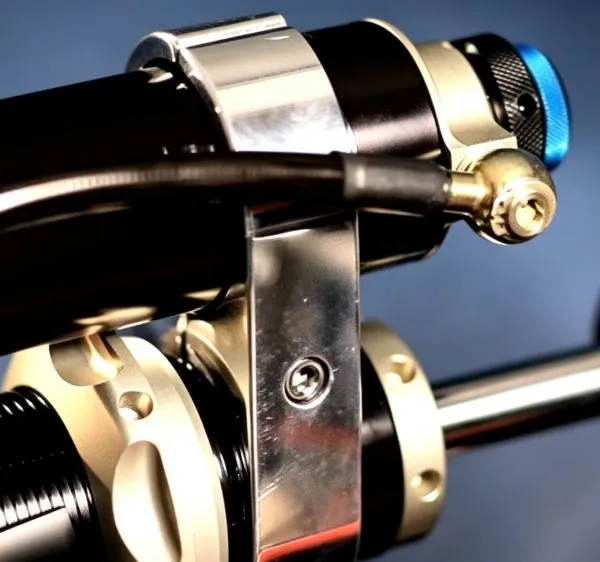 Read More
 -
Understanding Shocks
August 27, 2026Understanding ShocksRenowned racing engineer Carroll Smith had trouble understanding shock absorbers, so don’t feel bad if you’re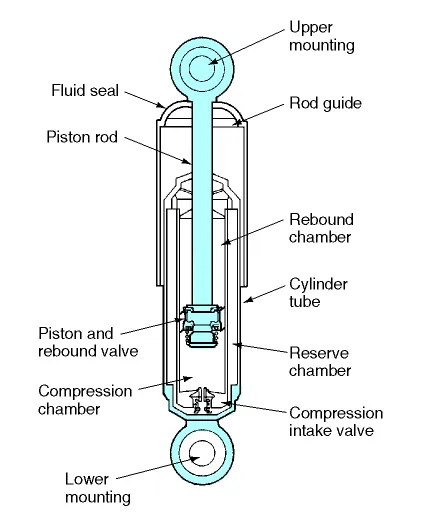 Read More

Contact Us
Recommended Products
-
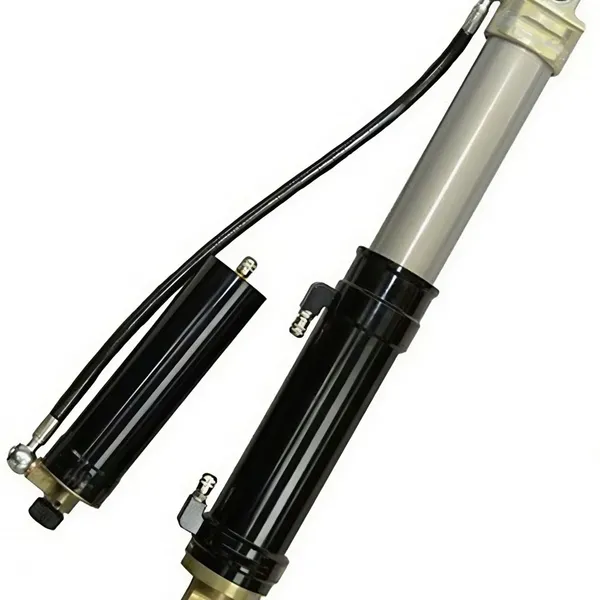
 Late Model Air ShockUS$ 1810MOQ: 1 Unit
 -
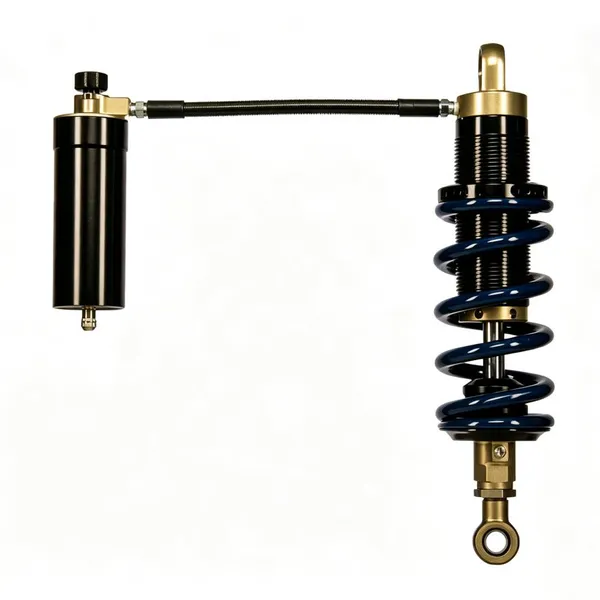
Drag Double Adjustable Coilover ShockUS$ 1115MOQ: 1 Unit
-
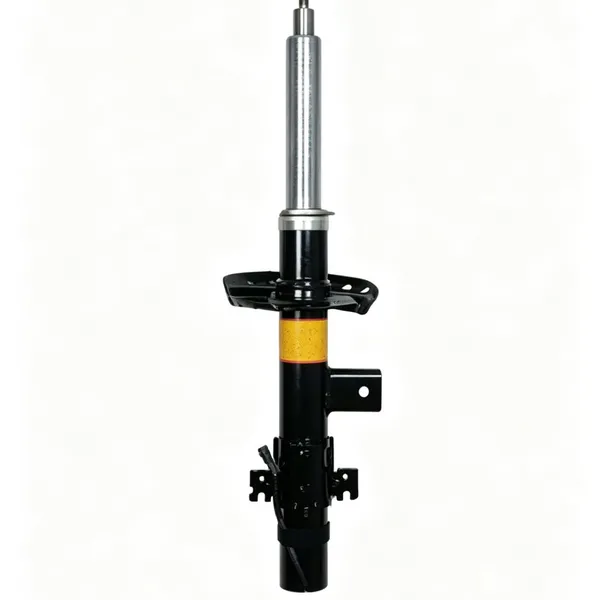
2012-2017 Land Rover Range Rover Evoque Left Rear OE Replacement Magnetic StrutUS$ 325MOQ: 2 Units
-
2016-2024 Chevrolet Camaro Front Right Replacement Magnetic StrutUS$ 445MOQ: 2 Units
-
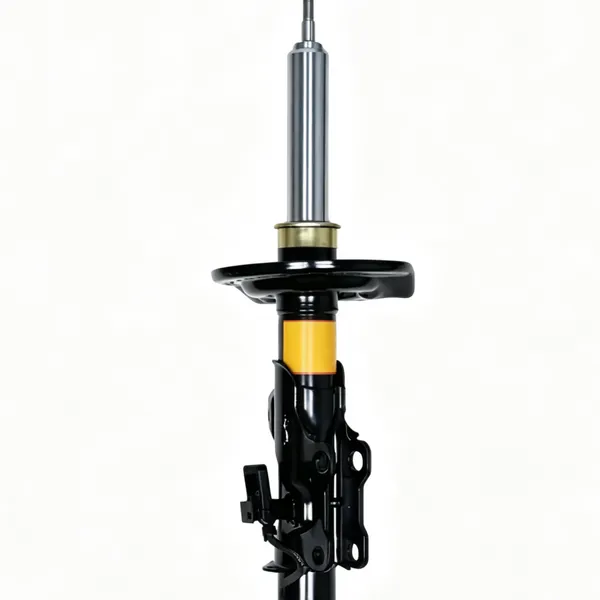
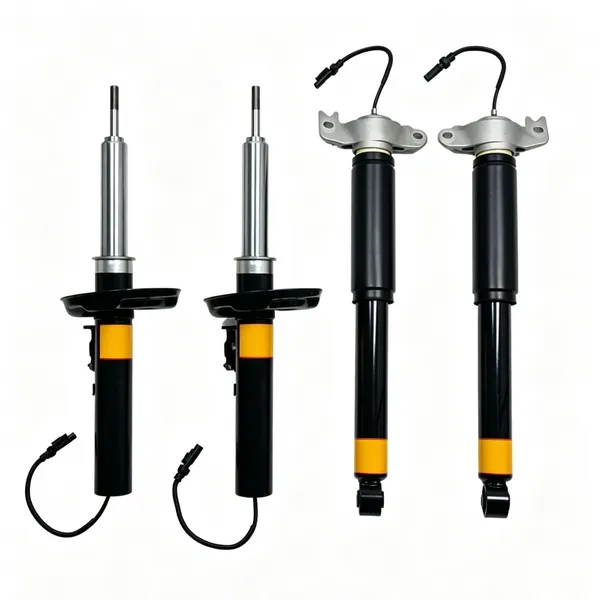
2013-2019 Cadillac XTS AWD/FWD Magnetic Strut 4-Wheel OE Replacement KitUS$ 1185MOQ: 1 Unit
-
2015-2020 Chevrolet Tahoe (RWD) Magnetic Struts 4 Wheel OE Replacement KitUS$ 1595MOQ: 1 Unit
-
2007-2014 Cadillac Escalade, Escalade ESV and EXT Magnetic Shocks & StrutsUS$ 1375MOQ: 1 Unit
-
2015-2020 Cadillac Escalade 4WD Magnetic Struts Front OE Replacement KitUS$ 895MOQ: 2 Units
-
2013-2019 Cadillac XTS AWD/FWD 2-Wheel Front Conversion KitUS$ 385MOQ: 2 Units
-
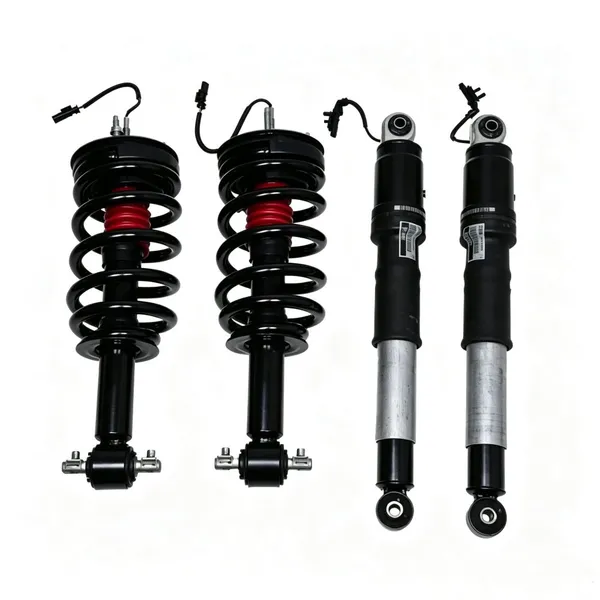
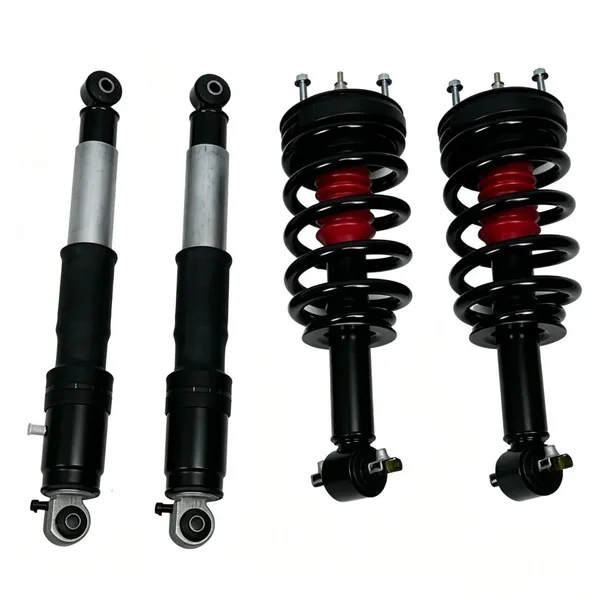
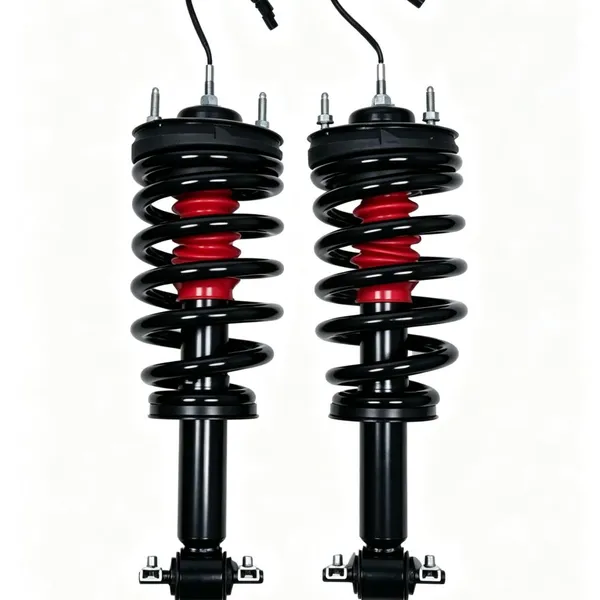
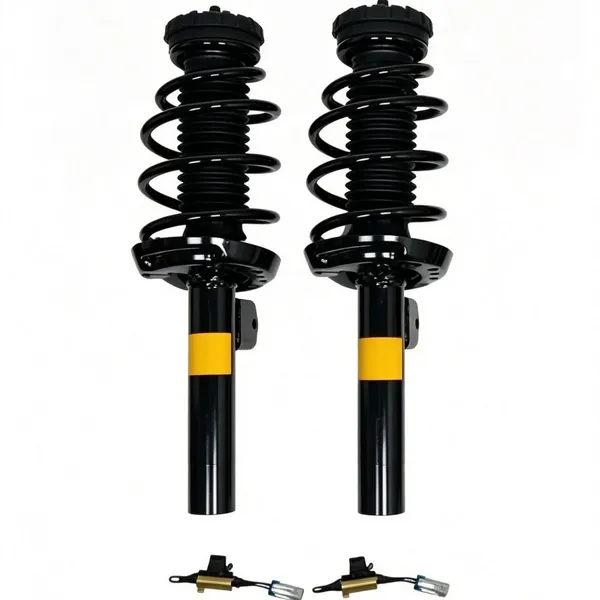
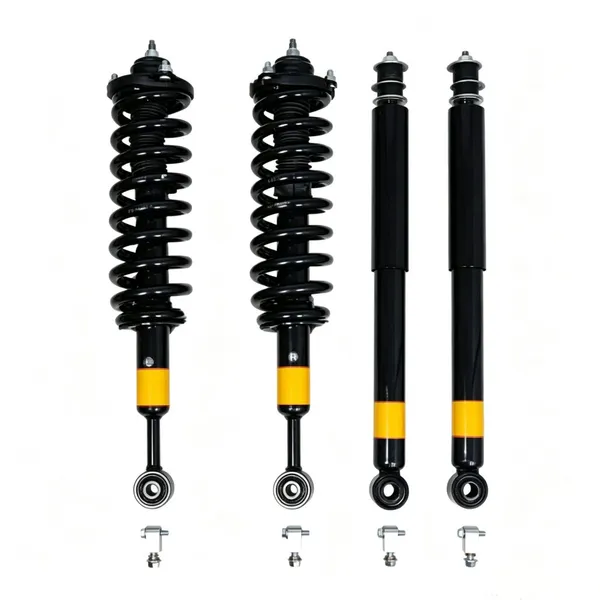
2010-2024 Toyota 4Runner (4WD) 4-Wheel X-REAS Hydraulic Suspension Conversion/Delete KitUS$ 539MOQ: 2 Units
-
2006-2013 Lexus IS250 AWD EZ Strut Full Strut Assembly (Rear)US$ 139MOQ: 5 Units
-
2003-2011 Lincoln Town Car EZ Strut Full Strut Assembly (Front)US$ 109MOQ: 5 Units
-
Wholesale Auto Parts Car Shock Absorber for 172363 172364 Toyota-Sienna 3.5L V6US$ 15MOQ: 50 Units
-
Race & Track Performance Shock AbsorberNegotiableMOQ: 2 Units
-
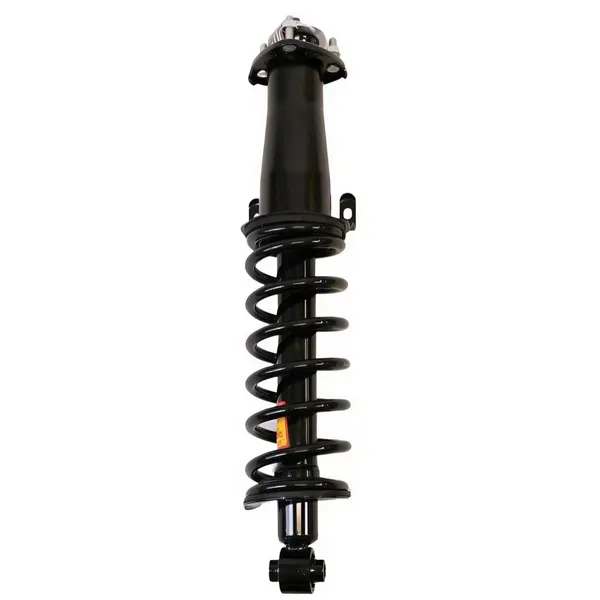
Street Performance Shock AbsorberNegotiableMOQ: 2 Units
-
Adjustable Coilovers Suspension KitNegotiableMOQ: 2 Units
-
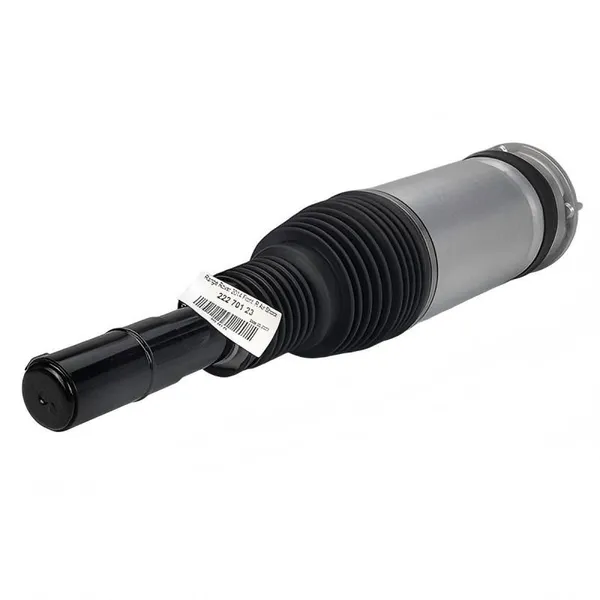
Land Rover New Model Front Air Suspension ShockNegotiableMOQ: 2 Units
-
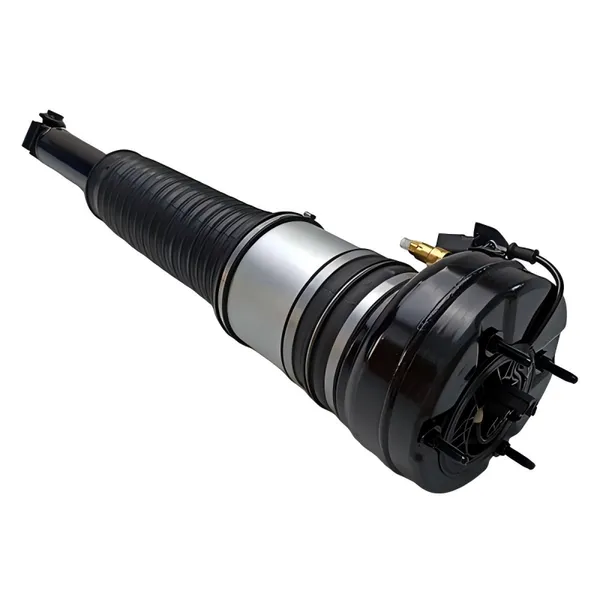
A8 D5 Airmatic Shock Use for Audi 4N4616039FNegotiableMOQ: 2 Units
-
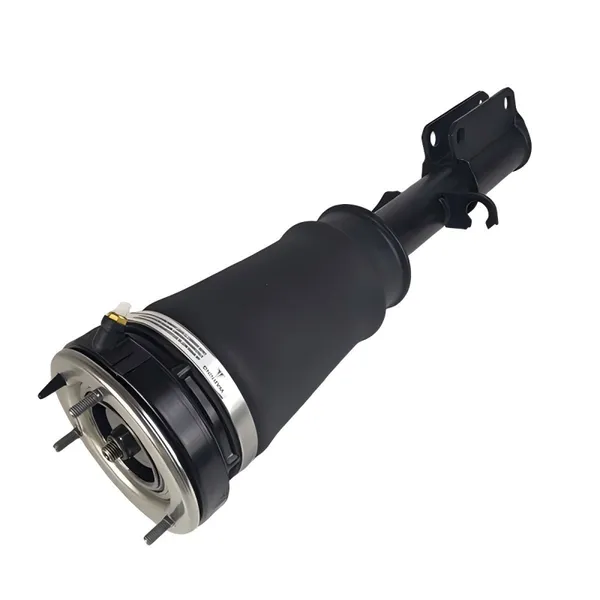
X5 E53 Front Air Shock AbsorberNegotiableMOQ: 2 Units
-
W164 Front Air Suspension ShockNegotiableMOQ: 2 Units