 Business License

What Are Coilovers and Who Buys Them
What Are Coilovers and Who Buys Them
What Is a Coilover Kit, Really?
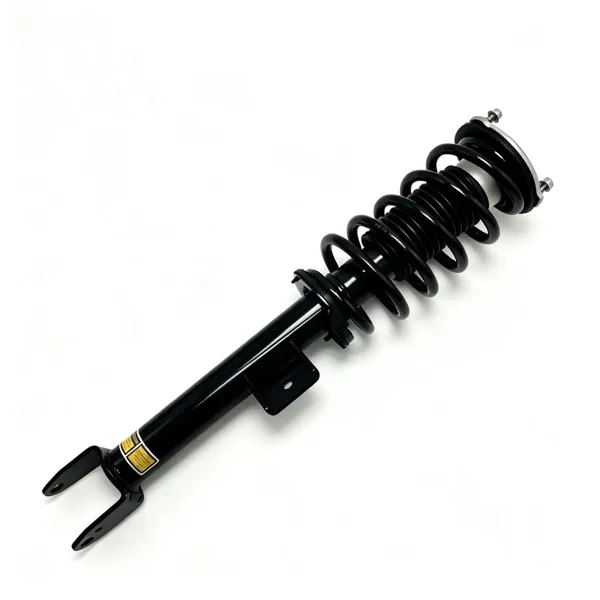
A coilover kit is an integrated performance suspension assembly that replaces your factory shock and spring at each corner of the car. The name comes from the design itself: a coil spring mounted over a damper, both riding on a threaded shock body that lets you dial in ride height and, on most kits, damping as well.
The real advantage is control. Factory suspension is engineered as a broad compromise for an average driver on average roads, and that compromise shows up the moment you ask the car to do anything beyond commute. A coilover kit eliminates that compromise. You set the ride height to your target, you tune the damping to your roads, and on most kits you can swap spring rates later as your needs evolve.
The Core Pieces of a Coilover
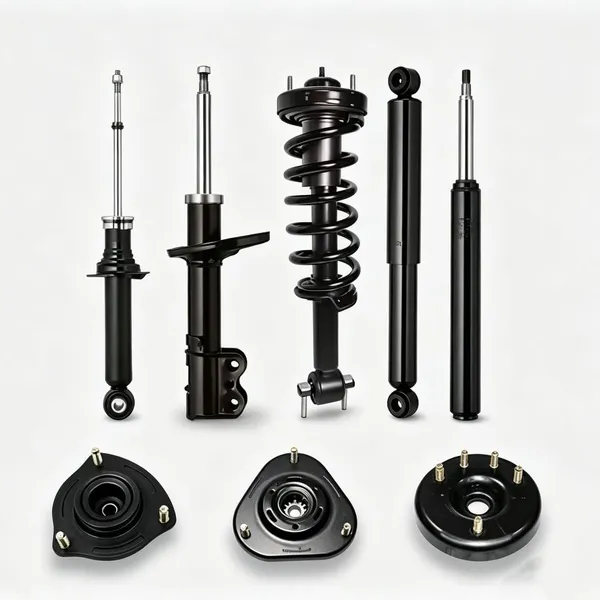
Damper or shock absorber. Controls how the spring moves through the suspension stroke. Monotube designs respond faster and handle heat better under sustained use. Twin-tube designs ride softer on the street and offer more usable travel.
Coil spring. Supports the static weight of the car, absorbs road impacts, and controls body roll through cornering transitions. Spring rate is the single most consequential tuning choice in the setup.
Threaded shock body and locking collar. The adjustment mechanism that sets ride height with precision. The locking collar holds the spring perch at your chosen position so the setting does not migrate under load.
Upper and lower mounts. Bolt the assembly to the chassis and knuckle. Premium kits include adjustable camber plates at the top for track or drift applications.
Combining spring and damper into one integrated unit typically reduces unsprung weight compared to many factory setups. Lower unsprung weight lets the suspension react more quickly to pavement changes and keeps the contact patch planted through transitions. That translates directly into measurable grip on corner entry and exit.
Who Actually Buys a Coilover Kit?
Here is a reality of this industry that surprises people. When you sell someone a coilover kit, in many cases you never see that customer again. For a lot of buyers, a coilover kit is a once-in-a-lifetime purchase during a specific build. They install it, enjoy it for a few years, and move on to other priorities. Dave himself moved out of town, got married, and is almost certainly not buying another coilover kit anytime soon. That is a perfectly normal arc.
The real coilover customer base is more interesting than the one-time buyer, and it breaks down into four distinct groups.
The Lifelong Enthusiast
This customer modifies every car they own. Suspension is either the first upgrade on the list or one of the most important in the build sequence. A new car arrives every few years, and a new coilover kit arrives with it. They understand that a properly specified performance suspension is what actually finishes the car rather than just lowering it.
The Amateur and Semi-Pro Racer
These buyers have invested serious capital in their race car, sometimes well over a hundred thousand dollars once you count motor, cage, safety gear, wheels, and tires. They run track days, autocross, time attack, and grassroots wheel-to-wheel. Spending $4,000 to $12,000 on a coilover kit is not a debate. They need measurable performance and reliability every weekend.
The Drift Community
Anyone who has attended a drift event knows exactly what I mean. These cars perform extraordinary maneuvers with suspension geometry dialed in specifically for the discipline. Spectators leave the track and start researching how to build something similar. Coilovers come up within the first ten minutes, and that person typically becomes a customer on the drive home.
The Seasoned Platform Enthusiast
Corvette owners. Audi owners. BMW owners. Mustang owners. Muscle car builders pulling together something special. I could list nearly every enthusiast brand and the pattern holds. These are customers who have spent years refining a car, and at some point the factory suspension becomes the limiting factor. Sometimes coilovers are the first major upgrade. Sometimes they are the last piece that brings the package together.
Does Everyone Need a Coilover Kit?
Absolutely not. Most drivers commuting and running errands will never know what a coilover kit is, and they do not need one. That is the reality of this industry.
But if you care about how your car handles, how it sits when parked, and how it feels through a corner at speed, a correctly specified coilover kit changes the car. Not in a subtle way. You feel it every time you drive.
What to Look for When You Are Ready
If you are seriously in the market, here is what I tell customers to think about before they commit to anything.
Your Actual Use Case
A daily-driven street car that sees occasional canyon runs is a different project than a dedicated track build. Damping calibration, spring rates, and ride height goals all diverge based on how the car will be used. If a seller is not asking how you drive your car, they are not thinking hard enough about what you need.
Platform Fit
Every car has its own suspension geometry and mounting-point specifications. Brands all build car-specific kits for that reason. A setup engineered for a BMW E46 will not work on an S550 Mustang. Fit is the first conversation we have with any buyer.
Adjustability You Will Actually Use
Thirty-two-click damping is useful on a dedicated track kit where lap-to-lap tuning matters. On a daily driver, most of that range is wasted capability. The right kit matches how you actually use the car, not the one with the most impressive spec sheet.
The most expensive kit is not always the right kit, and the cheapest kit is rarely the right answer either. The right coilover kit is the one that matches your car, your roads, your goals, and your budget. That last criterion is not a throwaway. A $1,500 kit you actually install and enjoy is worth more than a $5,000 kit sitting in a box because the build stalled for eighteen months.
Frequently Asked Questions
What exactly is a coilover kit?
A performance suspension assembly that combines a shock absorber and coil spring into a single integrated unit at each corner of the car. It replaces the factory shock and spring, and delivers adjustable ride height plus, on most kits, adjustable damping.
Who typically buys coilovers?
Four customer types make up most of the market. Lifelong enthusiasts who modify every car they own. Amateur and semi-pro racers. The drift community. And seasoned platform enthusiasts such as Corvette, Audi, BMW, and Mustang builders who want a proper performance suspension to finish the car.
Do I need coilovers for a daily driver?
Not automatically. A daily driver can run a coilover kit and be better for it, but the kit has to match the use case. A street-tuned coilover with appropriate spring rates and damping will transform the car without punishing you on rough roads.
What brands do you recommend?
We match the brand to the car, the use case, and the budget.
How much does a good coilover kit cost?
Street-focused kits run from about $1,200 to $2,500. Adjustable performance kits sit in the $2,500 to $4,500 range. Serious track kits and custom builds can reach $8,000 to $12,000 or more. The right kit matches how you actually use the car.
Recently Posted
-
Coilovers & Suspension Setup: A Complete Performance Guide
September 5, 2026Coilovers & Suspension Setup: A Complete Performance GuideSuspension is one of the most powerful upgrades you can make to a pe Read More
 -
Pros and Cons of Air Suspension
September 5, 2026Pros and Cons of Air SuspensionMost modern vehicles have traditional coil springs, which you can often see behind the wheels. They Read More
 -
Air Suspension: Bags, Management Systems & What to Expect
September 5, 2026Air Suspension: Bags, Management Systems & What to Expect Air suspension replaces the conventional coil springs on your c Read More
 -
Why Converting Factory Suspension to Coilovers Is Popular for Ford Mustangs
September 5, 2026Why Converting Factory Suspension to Coilovers Is Popular for Ford MustangsFew names in American performance carry the weight of F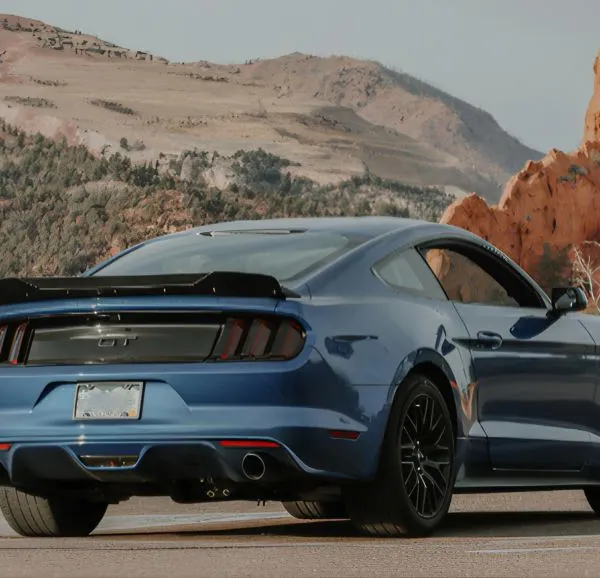 Read More

Contact Us
Recommended Products
-
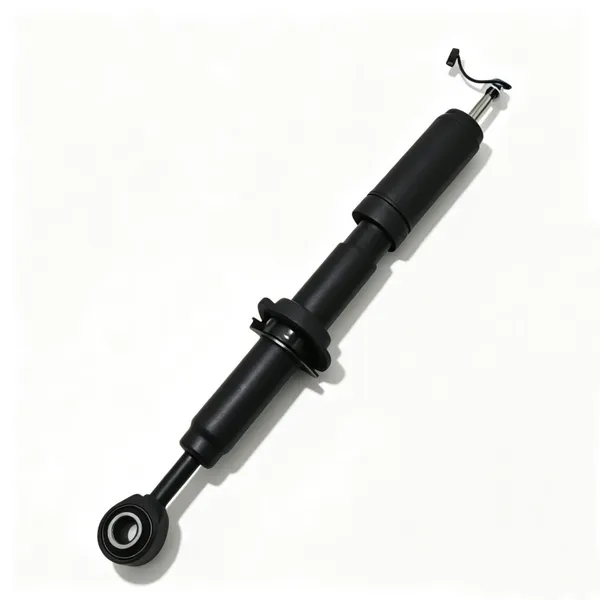
 Electronic Type Right Front Strut Assembly Continuous Damping 2018-2023 Expedition Lincoln Navigator JL1Z-18124-A/BUS$ 110 - 120MOQ: 1 Unit
 -
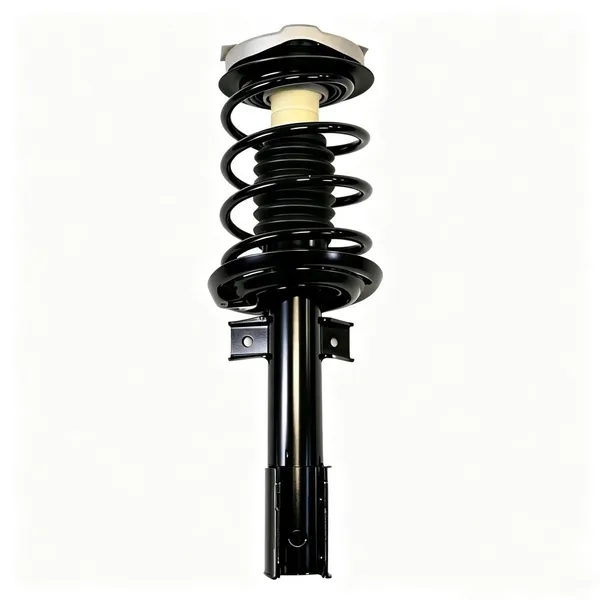
Front Left Right Shock Strut Assembly for VW Golf 7 Skoda Octavia Seat Leon Touran Arteon T-ROC VariantUS$ 40 - 50MOQ: 1 Unit
-
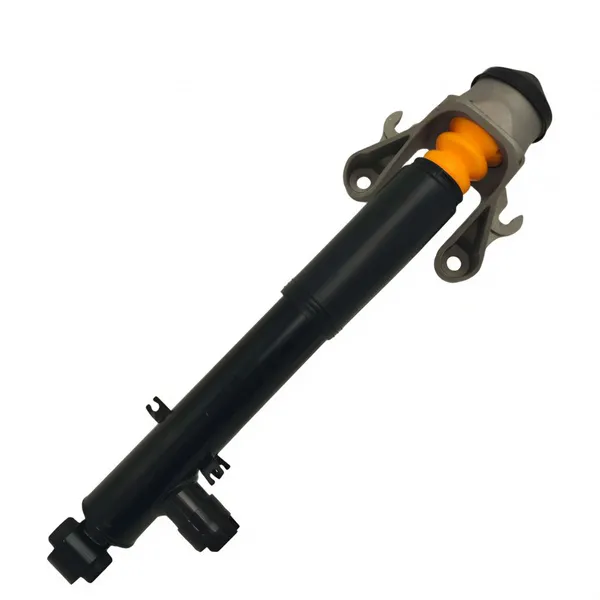
Rear Left Air Shock Absorber for Mercedes-Benz GLE W167 V167US$ 65 - 75MOQ: 1 Unit
-
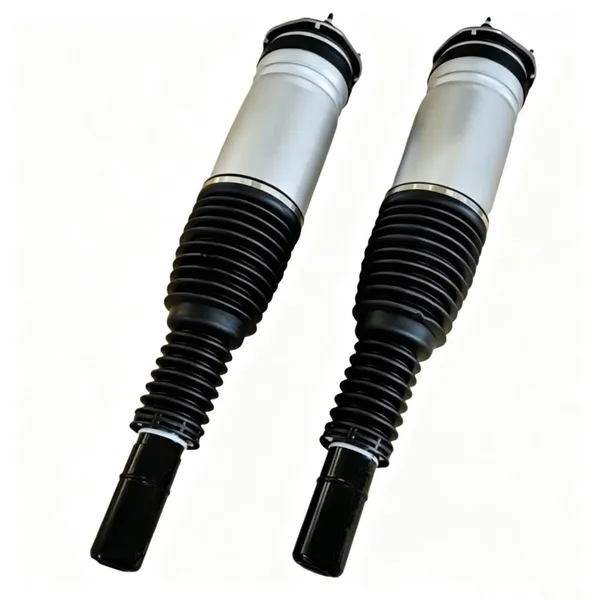
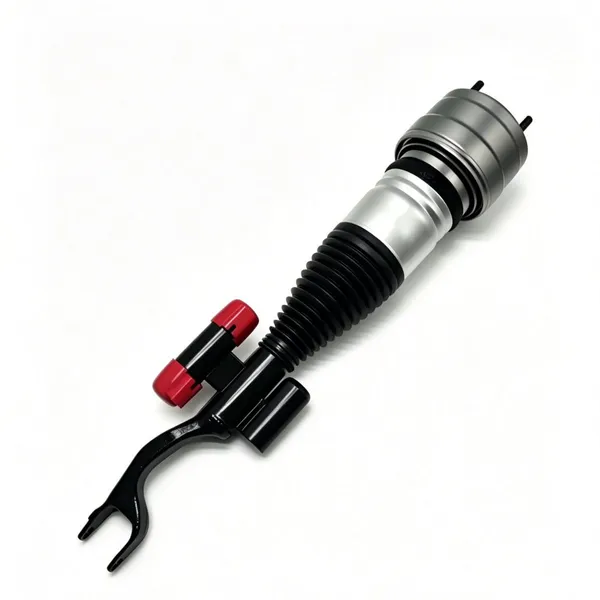
Air Suspension Shock Absorber Front Right for W253 X253 GLC300 GLC350 GLC43 GLC63 AMG 2015-2021US$ 215 - 225MOQ: 1 Unit
-
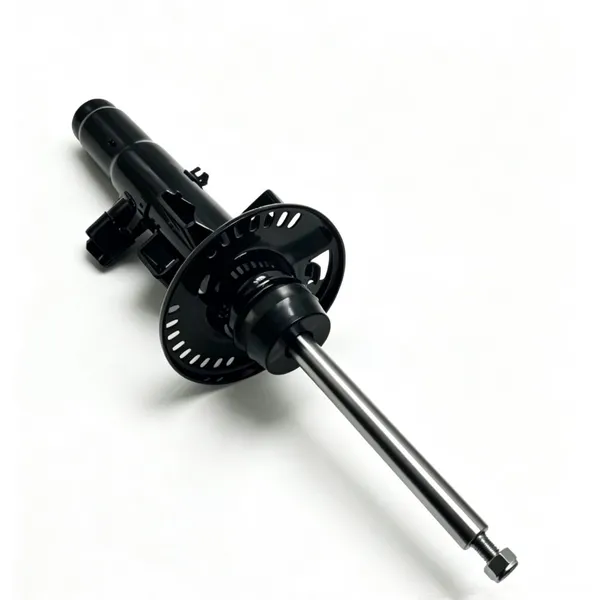
Electronic Shock Absorber Front Left for BMW 3 Series G20/G21/G28 (2018-2024) 4WDUS$ 65 - 75MOQ: 1 Unit
-
Hydraulic Strut Assembly Tesla Model 3/Y 2017-2024 Rear Left/Right Universal FitmentUS$ 50 - 55MOQ: 1 Unit
-
2016-2024 Chevrolet Camaro Front Right Replacement Magnetic StrutUS$ 445MOQ: 2 Units
-
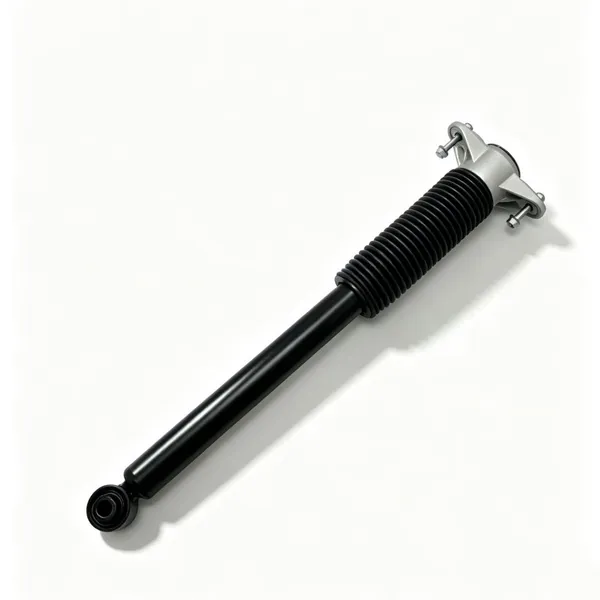
Air Shock Absorber for Bmw 7 740 I,Li 2019-2022 740 Li XDrive 2019-2022 725 D, Ld(Rear Right)US$ 129 - 139MOQ: 1 Unit
-
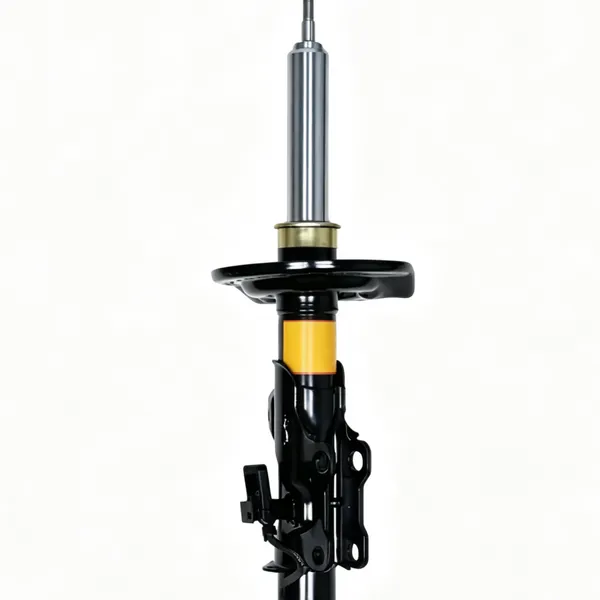
Air Shock Absorber for Audi A8 D4 A6 C7 A7US$ 230 - 235MOQ: 1 Unit
-
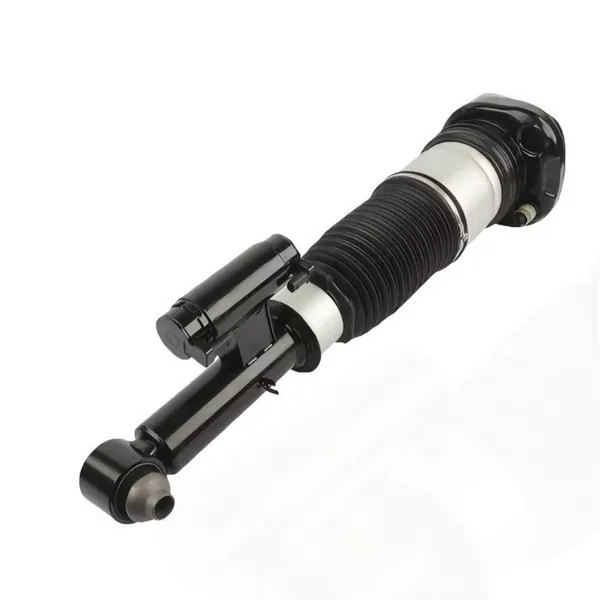
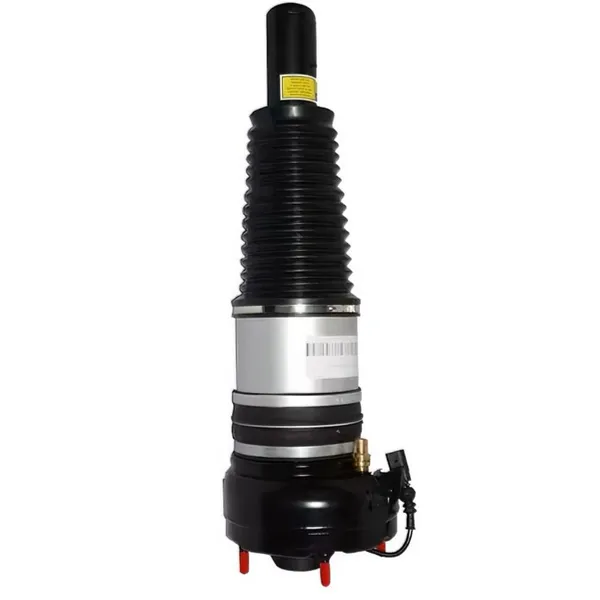
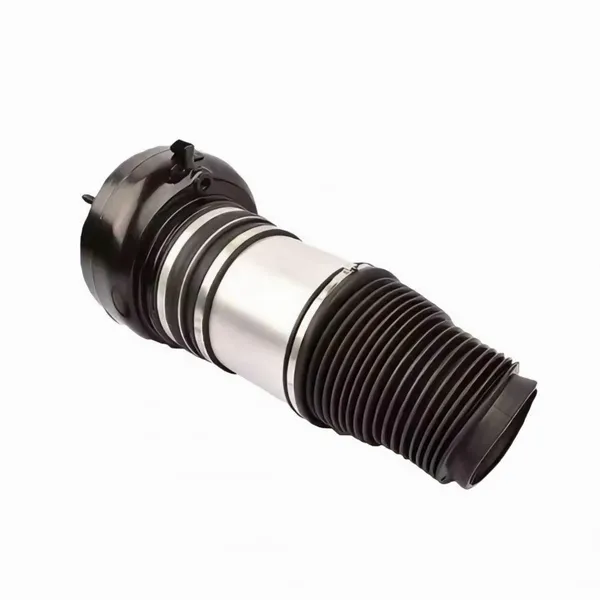
Front Air Suspension Shock Absorber for Audi A8 D4 4HUS$ 200 - 209MOQ: 1 Unit
-
Hydraulic Shock Absorber Assembly for Tesla Model 3 (2017-2023) Model Y 2020-2024 PerformanceUS$ 75 - 80MOQ: 1 Unit
-
Hydraulic Shock Absorber Assembly for Tesla Model 3 (2017-2023) Model Y 2020-2024 RWDUS$ 75 - 80MOQ: 1 Unit
-
Wholesale Auto Parts Car Shock Absorber for Toyota-Sienna 3.5L V6US$ 15MOQ: 50 Units
-
Electronic Type Shock Absorber Only for Quattroporte 2013-2017 GhibliUS$ 75 - 80MOQ: 1 Unit
-
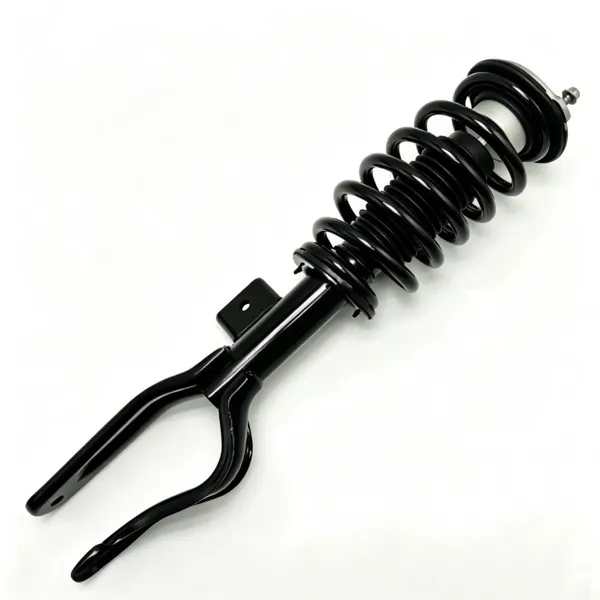
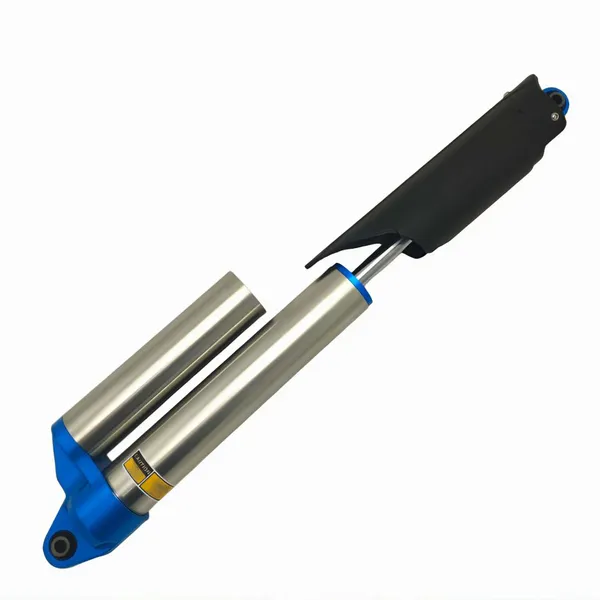
Off Road Shock Absorber Assembly for F150 Raptor 2011-2014US$ 175 - 195MOQ: 1 Unit
-
Electronic Shock Absorber Assembly for XC60 XC90 2018-2024 OE 31429978US$ 62 - 69MOQ: 1 Unit
-
Shock Absorber for Land Cruiser 300/LC300 2021- for LX600 2022- Front Left/RightUS$ 70 - 79MOQ: 1 Unit
-
Mercedes-Benz GLK350 EZ Strut Full Strut AssemblyUS$ 140MOQ: 2 Units
-
Land Rover Discovery 5 L462 2018-2020 New Defender Front Air Suspension Shock Absorber With ADSUS$ 152 - 165MOQ: 1 Unit
-
Rear Air Shock For LR3 LR4 Range Rover Sport 2005-2014 Air Suspension StrutUS$ 155MOQ: 2 Units