 Business License

Pros and Cons of Air Suspension
Pros and Cons of Air Suspension
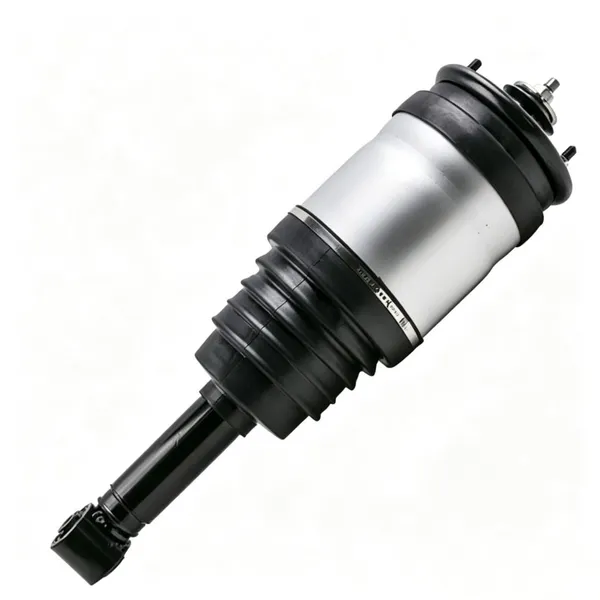
Most modern vehicles have traditional coil springs, which you can often see behind the wheels. They work with shock absorbers to provide a smoother ride quality, and more importantly, keep the wheels as firmly planted on the ground as possible. Air suspension systems replace springs with airbags, allowing ride-height adjustments. They still require shock absorbers, but air suspension can offer significant benefits in the right applications.
Pros of Air Suspension Systems
Air suspension can bring a range of improvements to a vehicle’s ride quality and capability, though it isn’t perfect for every situation.
· Ride quality: Air suspension can be more effective at absorbing bumps from road imperfections, such as potholes. Many of the latest systems offer adaptive damping, which works with the vehicle’s computer system to adjust firmness and rebound speeds, providing a better ride on a wide range of road surfaces and terrain.
· Better handling: Adaptive air suspension can firm up when needed, helping reduce body roll and movement in corners. It may also help improve steering responsiveness and stability for some vehicles.
· Ride-height adjustments: Many air suspension systems give users the ability to raise and lower the vehicle’s ride height. That can be useful in off-road situations, but it can also offer an aesthetic benefit because many people prefer the “slammed” look when the vehicle is parked.
· Automatic load leveling: Some full-size pickup trucks and SUVs have load-leveling air suspension, which compensates for heavy payloads by boosting the rear suspension height and firmness. These systems also make towing much safer and more stable.
· Reduced wear: Fewer vibrations and a smoother ride place less wear on a vehicle’s body components, which can extend its life.
Cons of Air Suspension
There are plenty of reasons to choose air suspension, but there are some downsides to consider before jumping in.
· Repair costs: Air suspension systems rely on airbags, which can degrade over time, causing leaks. Those leaks can cause the suspension to sag, which is why you might see some Land Rovers and Mercedes-Benz models sitting on the ground after a suspension failure.
· Weight: Air suspension systems require a compressor and other components to inflate and deflate the bags, adding weight and complexity to the vehicle. The added heft can impact fuel economy.
· Purchase cost: Automakers typically charge more for air suspension or make it available only on higher trim levels, which raises the cost of entry higher compared to vehicles with traditional suspension systems.
Recently Posted
-
Coilovers & Suspension Setup: A Complete Performance Guide
September 5, 2026Coilovers & Suspension Setup: A Complete Performance GuideSuspension is one of the most powerful upgrades you can make to a pe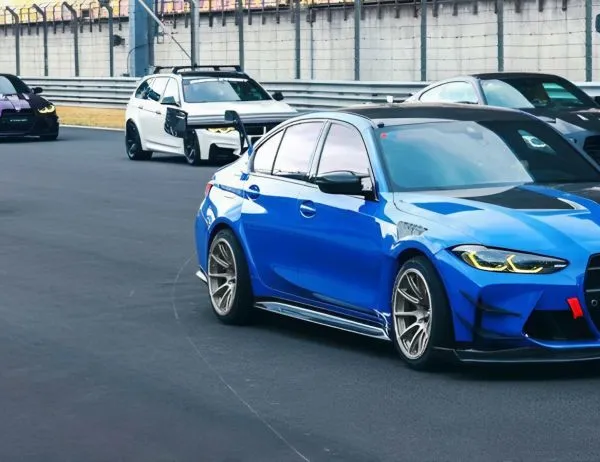 Read More
 -
Air Suspension: Bags, Management Systems & What to Expect
September 5, 2026Air Suspension: Bags, Management Systems & What to Expect Air suspension replaces the conventional coil springs on your c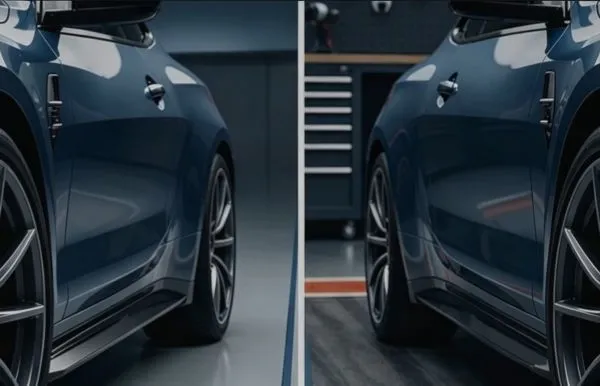 Read More
 -
What Are Coilovers and Who Buys Them
September 5, 2026What Are Coilovers and Who Buys ThemWhat Is a Coilover Kit, Really?A coilover kit is an integrated performance suspension assembly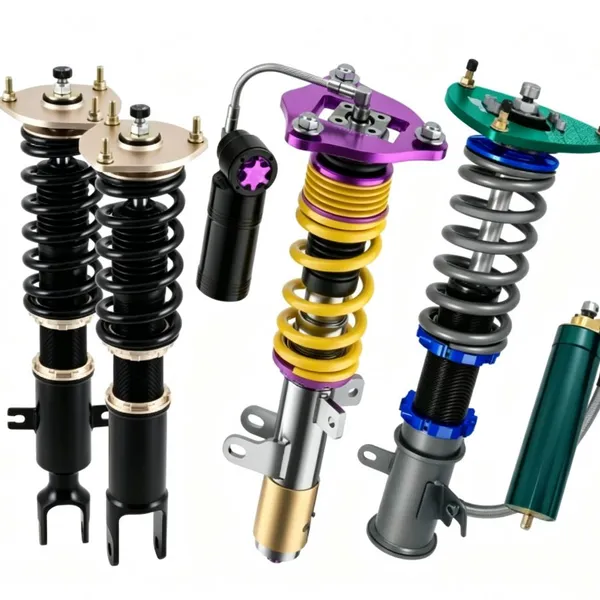 Read More
 -
Why Converting Factory Suspension to Coilovers Is Popular for Ford Mustangs
September 5, 2026Why Converting Factory Suspension to Coilovers Is Popular for Ford MustangsFew names in American performance carry the weight of F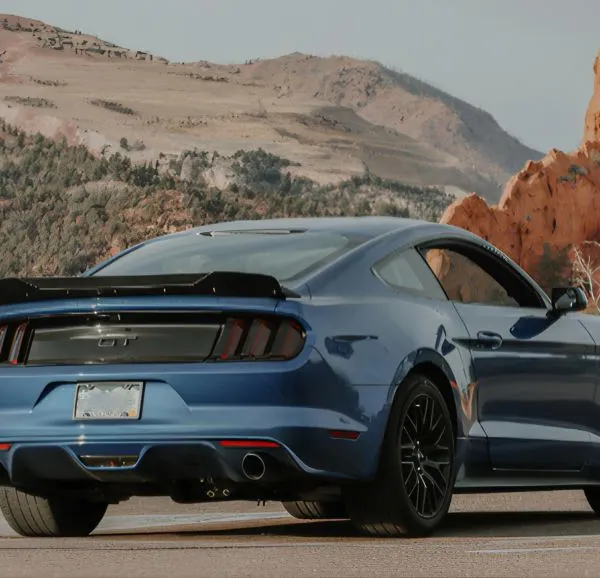 Read More

Contact Us
Recommended Products
-
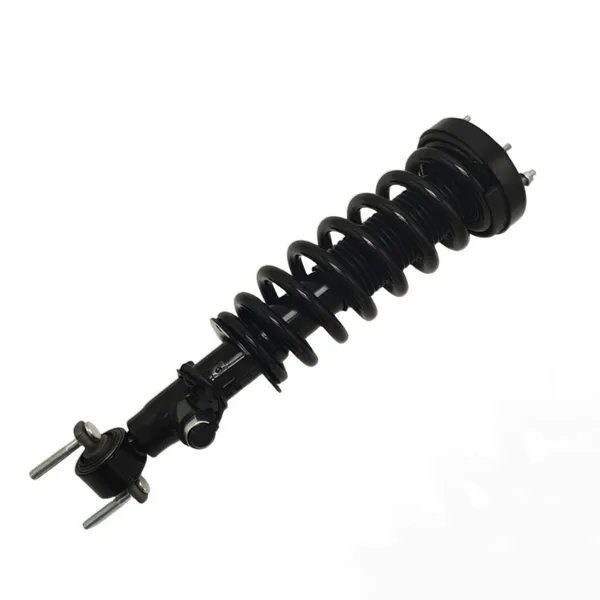
 Electronic Type Right Front Strut Assembly Continuous Damping 2018-2023 Expedition Lincoln Navigator JL1Z-18124-A/BUS$ 110 - 120MOQ: 1 Unit
 -
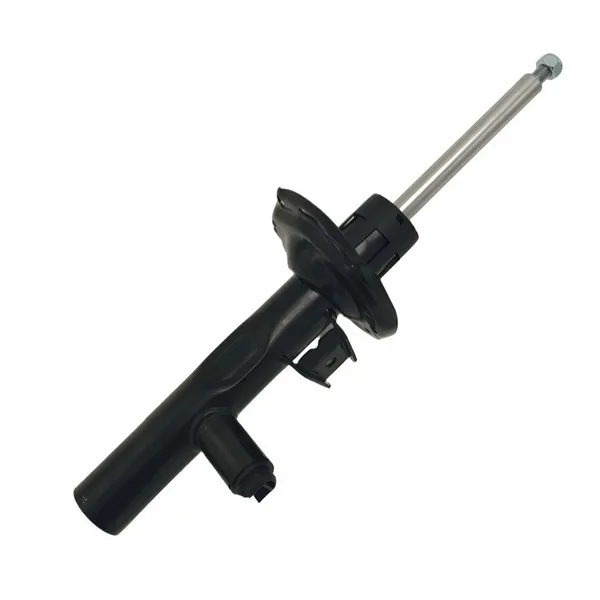
Front Left Right Shock Strut Assembly for VW Golf 7 Skoda Octavia Seat Leon Touran Arteon T-ROC VariantUS$ 40 - 50MOQ: 1 Unit
-
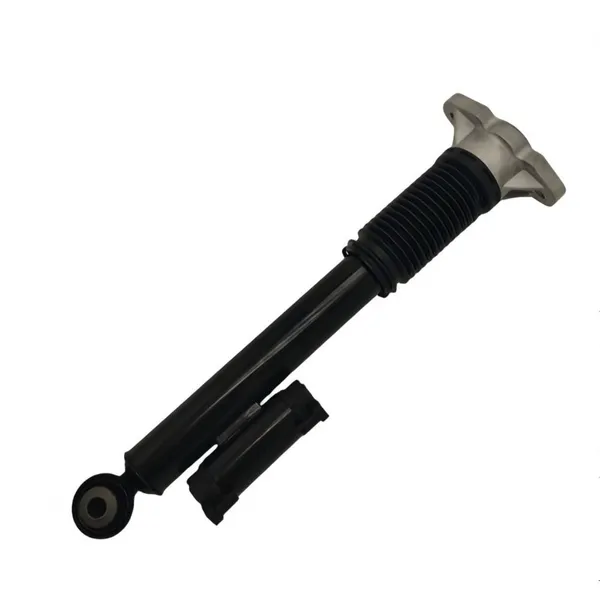
Rear Left Air Shock Absorber for Mercedes-Benz GLE W167 V167US$ 65 - 75MOQ: 1 Unit
-
Air Suspension Shock Absorber Front Right for W253 X253 GLC300 GLC350 GLC43 GLC63 AMG 2015-2021US$ 215 - 225MOQ: 1 Unit
-
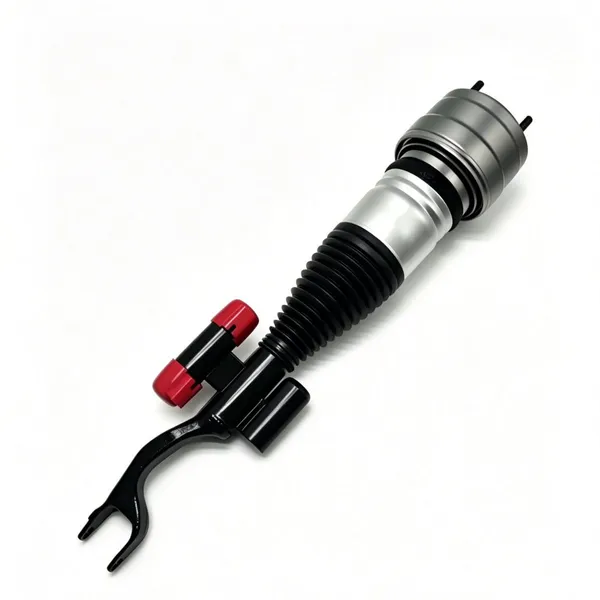
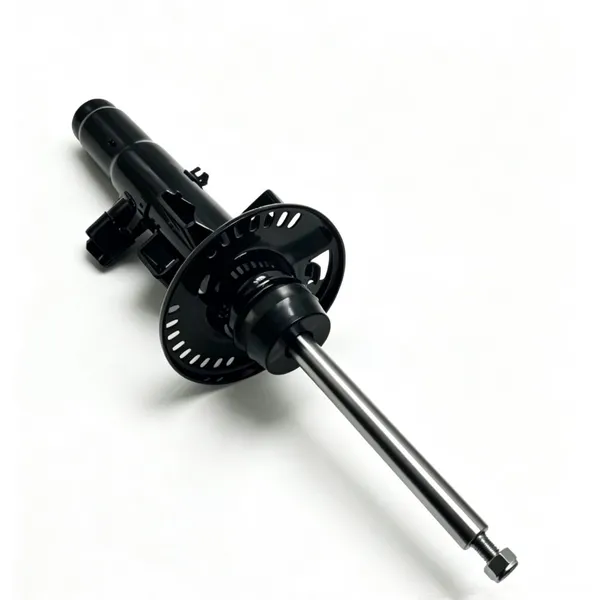
Electronic Shock Absorber Front Left for BMW 3 Series G20/G21/G28 (2018-2024) 4WDUS$ 65 - 75MOQ: 1 Unit
-
Hydraulic Strut Assembly Tesla Model 3/Y 2017-2024 Rear Left/Right Universal FitmentUS$ 50 - 55MOQ: 1 Unit
-
2016-2024 Chevrolet Camaro Front Right Replacement Magnetic StrutUS$ 445MOQ: 2 Units
-
Air Shock Absorber for Bmw 7 740 I,Li 2019-2022 740 Li XDrive 2019-2022 725 D, Ld(Rear Right)US$ 129 - 139MOQ: 1 Unit
-
Air Shock Absorber for Audi A8 D4 A6 C7 A7US$ 230 - 235MOQ: 1 Unit
-
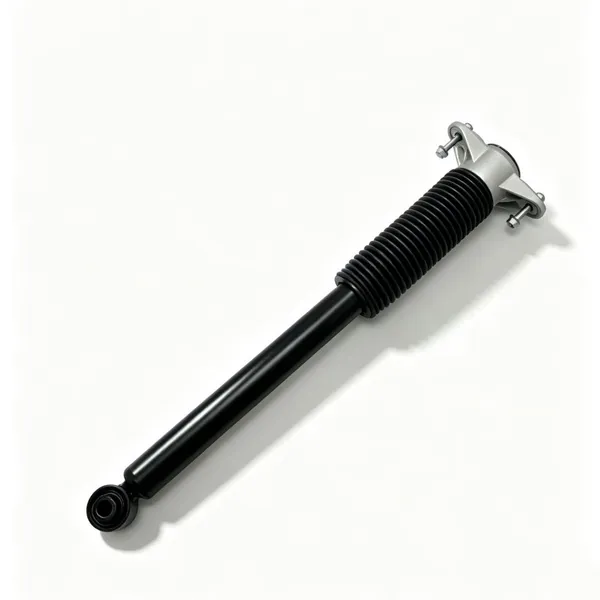
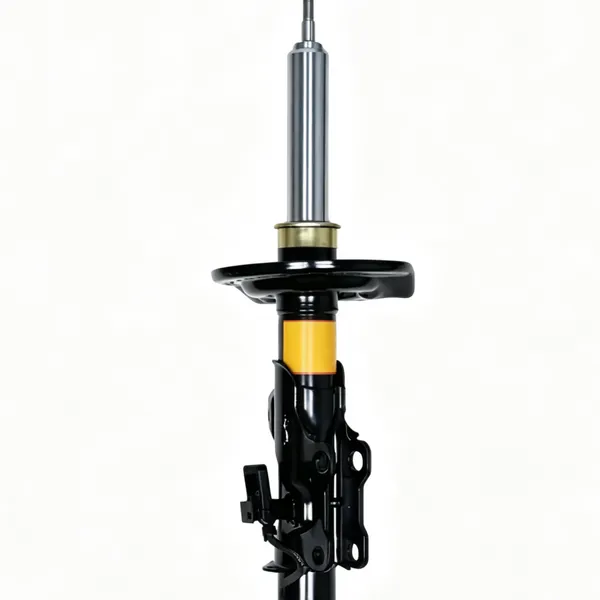
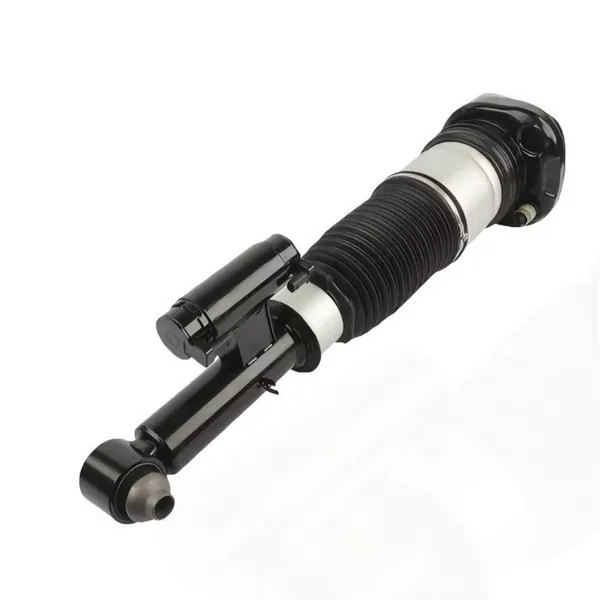
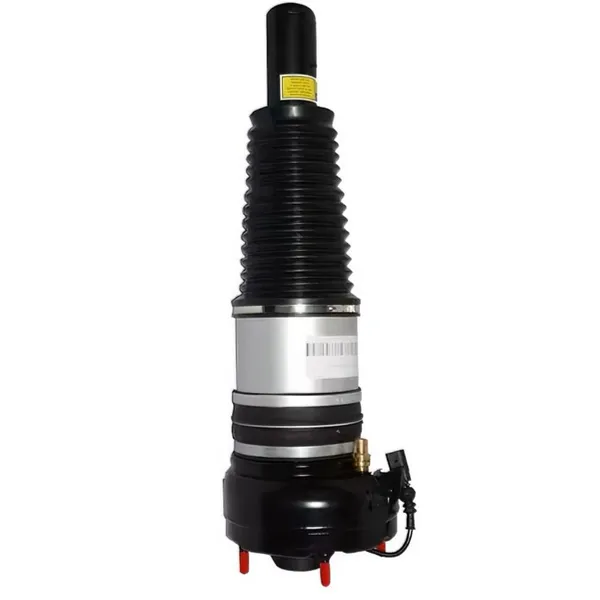
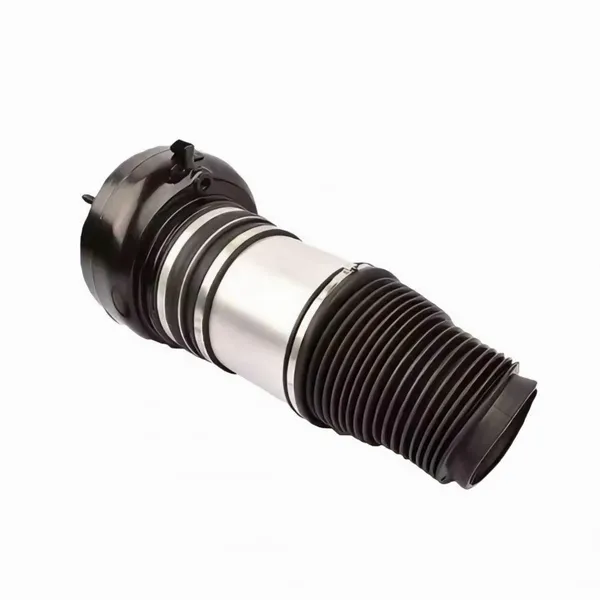
Front Air Suspension Shock Absorber for Audi A8 D4 4HUS$ 200 - 209MOQ: 1 Unit
-
Hydraulic Shock Absorber Assembly for Tesla Model 3 (2017-2023) Model Y 2020-2024 PerformanceUS$ 75 - 80MOQ: 1 Unit
-
Hydraulic Shock Absorber Assembly for Tesla Model 3 (2017-2023) Model Y 2020-2024 RWDUS$ 75 - 80MOQ: 1 Unit
-
Wholesale Auto Parts Car Shock Absorber for Toyota-Sienna 3.5L V6US$ 15MOQ: 50 Units
-
Electronic Type Shock Absorber Only for Quattroporte 2013-2017 GhibliUS$ 75 - 80MOQ: 1 Unit
-
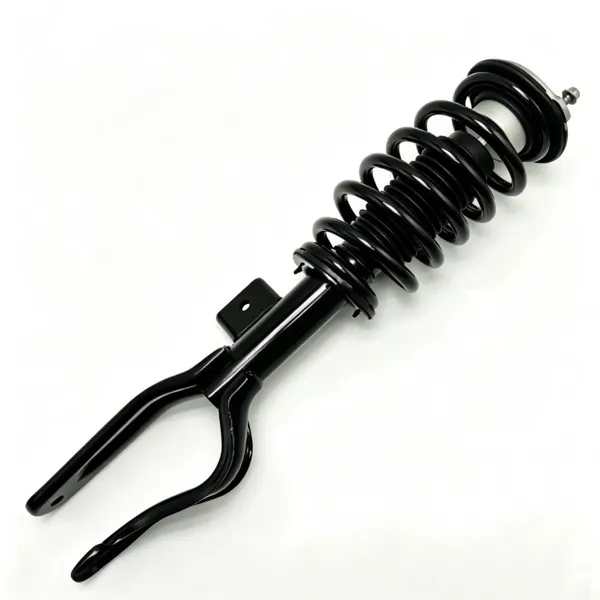
Off Road Shock Absorber Assembly for F150 Raptor 2011-2014US$ 175 - 195MOQ: 1 Unit
-
Electronic Shock Absorber Assembly for XC60 XC90 2018-2024 OE 31429978US$ 62 - 69MOQ: 1 Unit
-
Shock Absorber for Land Cruiser 300/LC300 2021- for LX600 2022- Front Left/RightUS$ 70 - 79MOQ: 1 Unit
-
Mercedes-Benz GLK350 EZ Strut Full Strut AssemblyUS$ 140MOQ: 2 Units
-
Land Rover Discovery 5 L462 2018-2020 New Defender Front Air Suspension Shock Absorber With ADSUS$ 152 - 165MOQ: 1 Unit
-
Rear Air Shock For LR3 LR4 Range Rover Sport 2005-2014 Air Suspension StrutUS$ 155MOQ: 2 Units