 Business License

Air Suspension: Bags, Management Systems & What to Expect
Air Suspension: Bags, Management Systems & What to Expect
Air suspension replaces the conventional coil springs on your car with air bags controlled by a compressor and management system. The appeal is obvious: adjustable ride height at the push of a button, a genuinely comfortable daily ride, and the ability to slam the car to the ground for shows or photos and raise it back up for driving.
It's also more complex than coilovers, more expensive, and requires a different mindset to maintain. Whether it's the right choice depends entirely on what you want your car to do and how you want to use it.
How Air Suspension Works
An air suspension system has four main components: air bags (or air struts) that replace the springs, a compressor that generates air pressure, a reservoir tank that stores compressed air, and a management system that controls pressure in each corner.
The air bags support the vehicle's weight by maintaining a set pressure. Raising the car requires inflating the bags. Lowering requires releasing pressure. The management system controls this, ranging from simple two-corner systems with a rocker switch to sophisticated four-corner setups with digital controllers, pressure sensors, accelerometers, and smartphone apps.
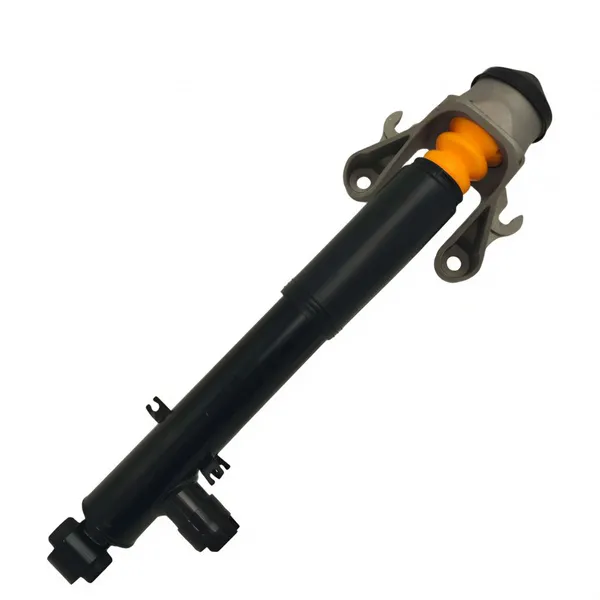
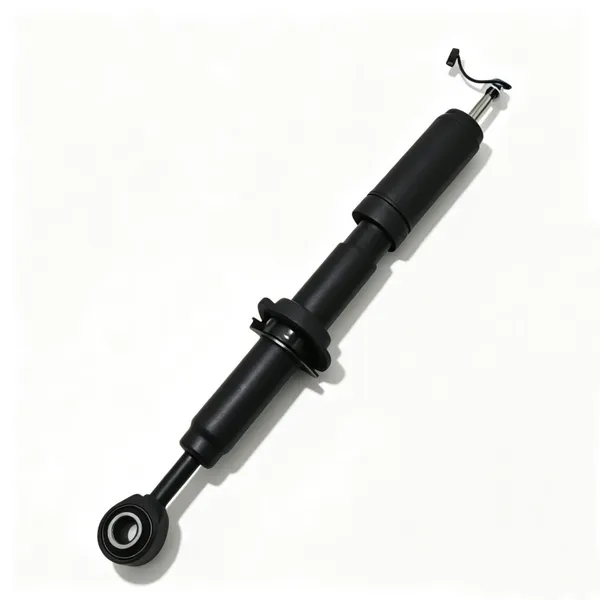
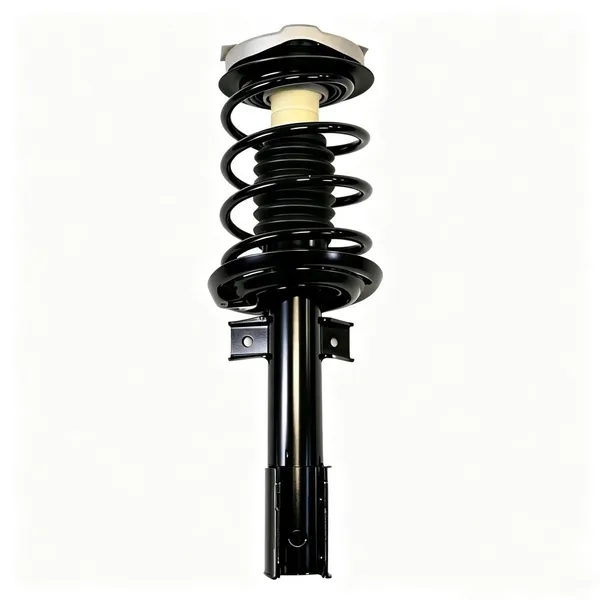
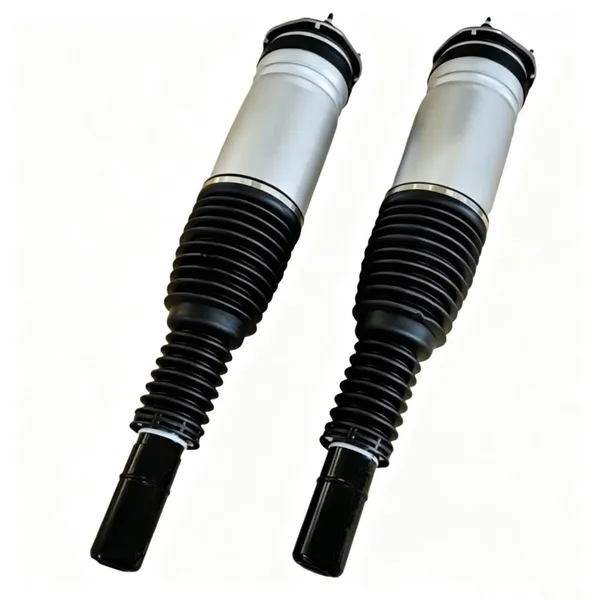
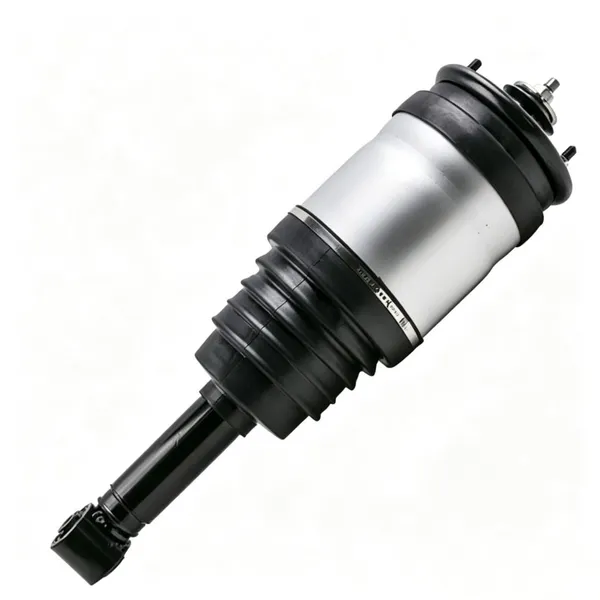
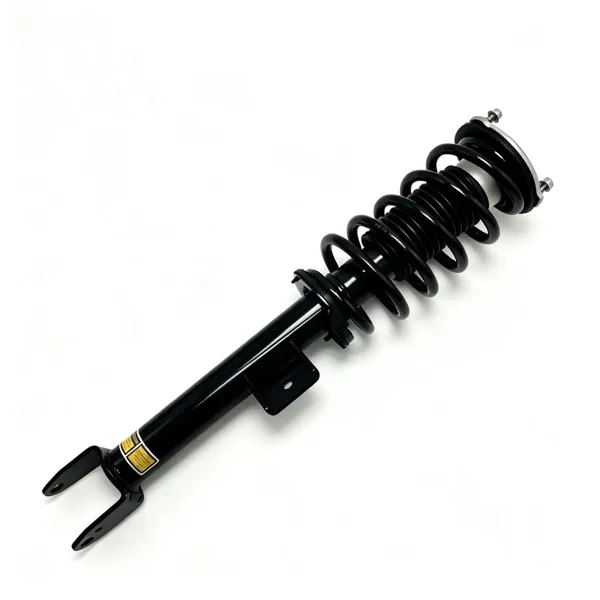
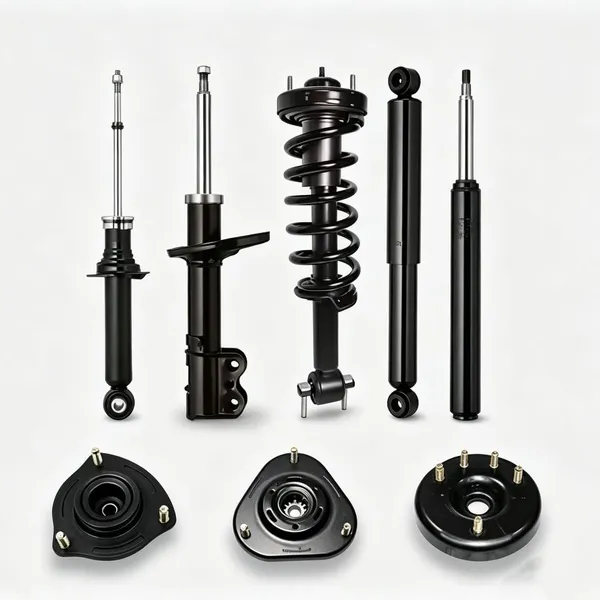
Air struts are an all-in-one unit where the air bag and shock absorber are integrated, similar to a conventional coilover in form factor. Sleeve kits use an air bag wrapped around the existing shock absorber, which preserves the stock damper but with adjustable spring rate. Full air ride kits replace everything.
The management system quality dramatically affects the experience. A basic manual system with an on/off switch for each corner requires manual operation and doesn't maintain consistent heights. Digital systems with height sensors and pressure management maintain programmed ride heights automatically and can adjust for load changes.
Air Suspension vs Coilovers: An Honest Comparison
Coilovers have a single, fixed ride height set at installation. If you want a different height, the car goes back on the lift. Air suspension lets you change height from inside the car in seconds. That's the core tradeoff.
For ride quality, a well-tuned air suspension with quality bags and dampers can be more comfortable than coilovers at street ride heights, because the air spring rate can be softer at higher pressures while still maintaining body control. For driving dynamics at the limit, coilovers still win because air systems are more complex, have more potential failure points, and are harder to tune to the same level of precision as a purpose-built performance coilover.
For shows and car culture, air suspension is the obvious choice. The ability to pull up to a show, lower the car to ground level for display, and raise it back up to drive away is what built the air ride community.
For daily driving comfort with occasional enthusiast use, air suspension is genuinely competitive. The flexibility to raise the car for rough roads, speed bumps, and parking lot entrances while still running a low stance is a real quality-of-life improvement.
For dedicated performance use or regular track days, coilovers are still the right answer. The additional complexity of an air system adds potential failure points you don't want to deal with at a track event.
What the Installation Involves
Installing air suspension is more involved than a coilover install. The mechanical work of replacing springs and dampers is similar, but the system also requires mounting a compressor, routing air lines, installing a reservoir tank, running wiring for the management system, and integrating the controller into the cabin.
The compressor and tank need to be mounted somewhere: typically in the trunk, under a floor panel, or in the bed of a truck. Tank placement affects available trunk space and sometimes requires custom mounting brackets. Air line routing needs to be clean, protected from heat sources and sharp edges, and accessible for service.
For quality kits on supported platforms, installation takes 8-16 hours at a shop with experience on your car. Custom installations without a specific kit can take considerably longer as the shop figures out mounting locations and routing on the fly.
Most air suspension kits require programming the management controller after installation to set height targets and calibrate the system.
Maintenance, Reliability, and What Can Go Wrong
This is where air suspension requires honest conversation. Air suspension has more components than coilovers, and more components means more potential failure points.
Air lines can develop leaks over time, especially at fittings and junctions. A leaking system loses height overnight or while parked. Finding and fixing small leaks requires tracing the lines and testing fittings. Quality fittings and well-routed lines from a quality install minimize this, but leaks are an eventual reality for most long-term owners.
Compressors have a finite lifespan. Brands differ significantly in quality. Higher-end compressors are more robust than budget units. How hard the compressor works depends on how often you raise and lower the car and whether the system holds air well. A well-maintained system might go 5-8 years between compressor replacements.
Air bags and struts can develop cracks or failures, typically at the ends or along fold points in the bag material. Quality bags from reputable brands have better materials and construction than budget alternatives.
The management system electronics can fail. Sensors, solenoids, and control units are all potential failure points that coilovers simply don't have.
None of this means air suspension is unreliable. Quality systems installed correctly and maintained properly live long lives. But it requires a more attentive ownership style than a set of coilovers you install and largely forget about.
Recently Posted
-
Coilovers & Suspension Setup: A Complete Performance Guide
September 5, 2026Coilovers & Suspension Setup: A Complete Performance GuideSuspension is one of the most powerful upgrades you can make to a pe Read More
 -
Pros and Cons of Air Suspension
September 5, 2026Pros and Cons of Air SuspensionMost modern vehicles have traditional coil springs, which you can often see behind the wheels. They Read More
 -
What Are Coilovers and Who Buys Them
September 5, 2026What Are Coilovers and Who Buys ThemWhat Is a Coilover Kit, Really?A coilover kit is an integrated performance suspension assembly Read More
 -
Why Converting Factory Suspension to Coilovers Is Popular for Ford Mustangs
September 5, 2026Why Converting Factory Suspension to Coilovers Is Popular for Ford MustangsFew names in American performance carry the weight of F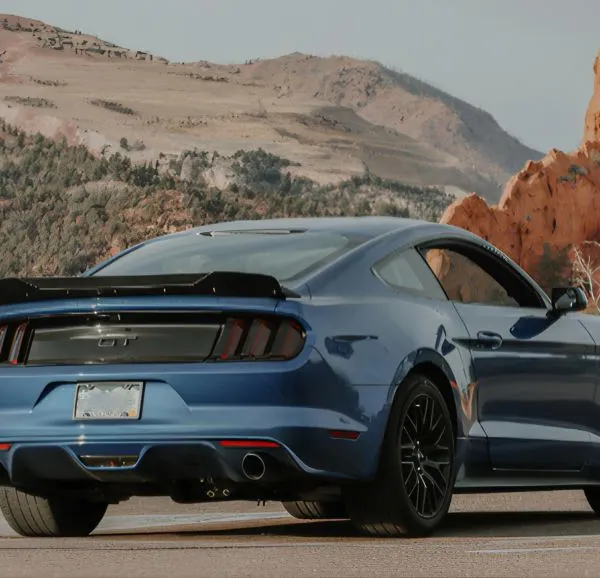 Read More

Contact Us
Recommended Products
-
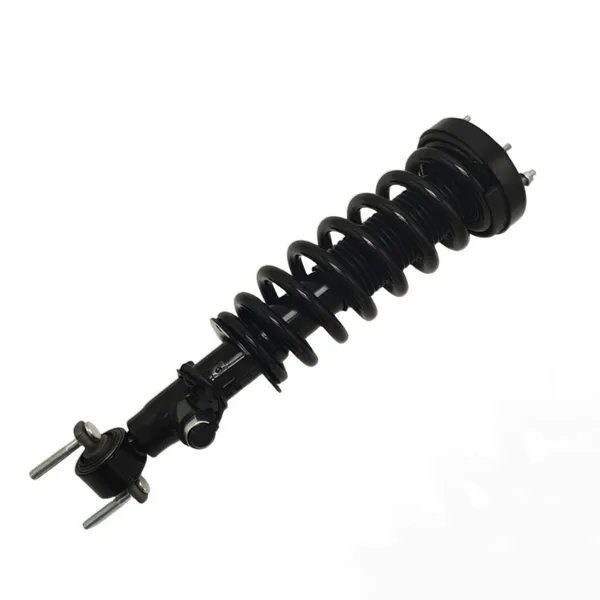
 Electronic Type Right Front Strut Assembly Continuous Damping 2018-2023 Expedition Lincoln Navigator JL1Z-18124-A/BUS$ 110 - 120MOQ: 1 Unit
 -
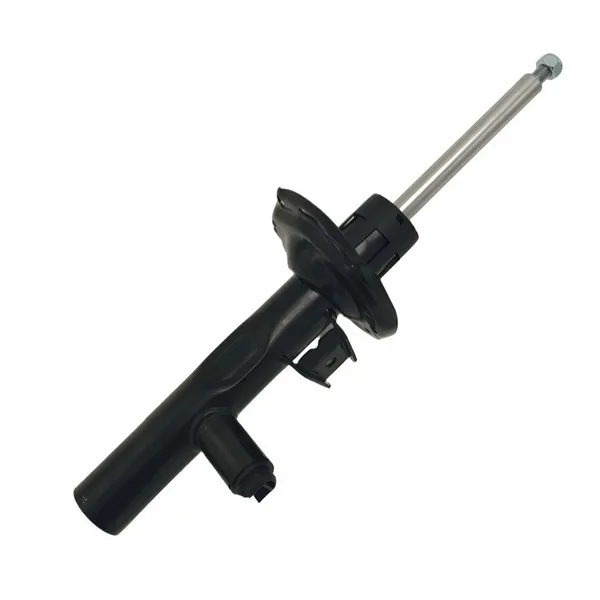
Front Left Right Shock Strut Assembly for VW Golf 7 Skoda Octavia Seat Leon Touran Arteon T-ROC VariantUS$ 40 - 50MOQ: 1 Unit
-
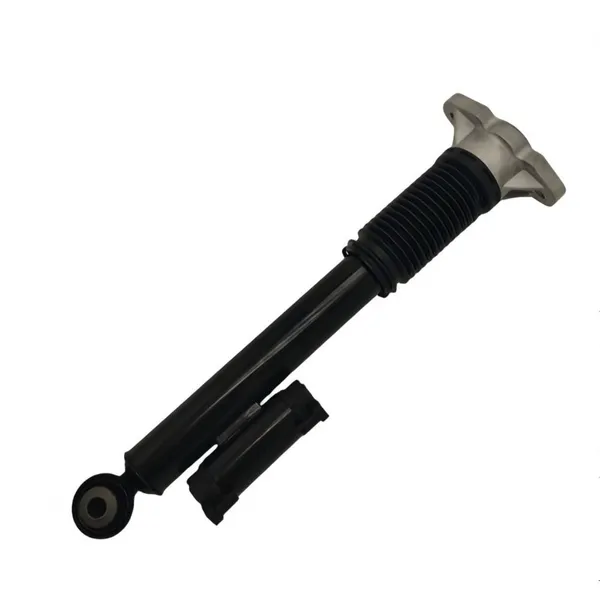
Rear Left Air Shock Absorber for Mercedes-Benz GLE W167 V167US$ 65 - 75MOQ: 1 Unit
-
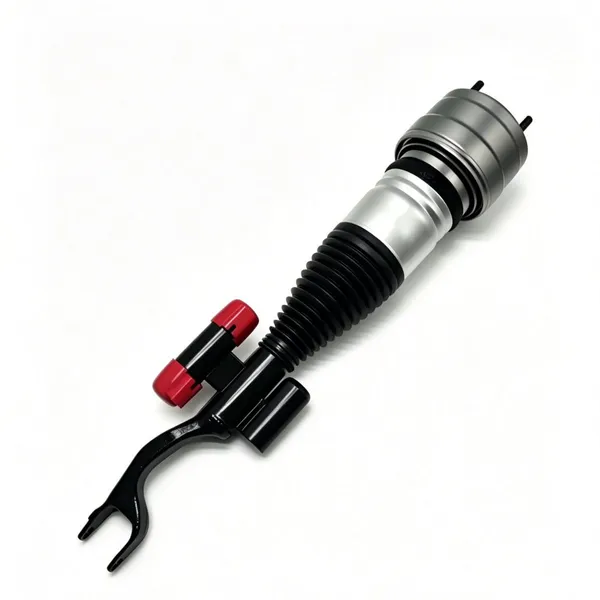
Air Suspension Shock Absorber Front Right for W253 X253 GLC300 GLC350 GLC43 GLC63 AMG 2015-2021US$ 215 - 225MOQ: 1 Unit
-
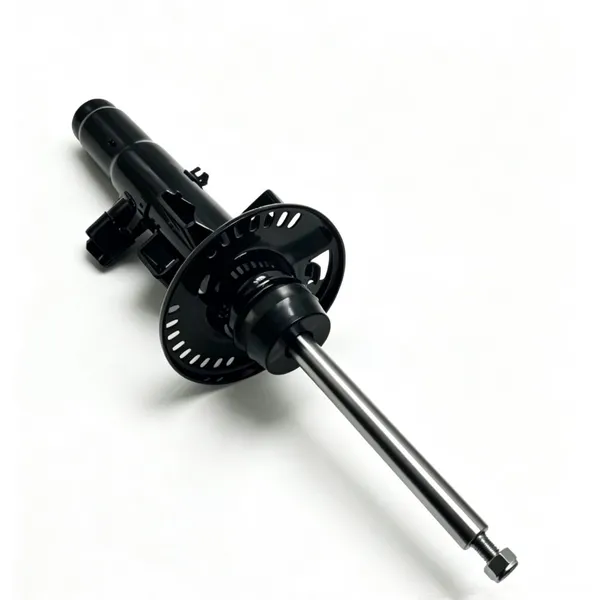
Electronic Shock Absorber Front Left for BMW 3 Series G20/G21/G28 (2018-2024) 4WDUS$ 65 - 75MOQ: 1 Unit
-
Hydraulic Strut Assembly Tesla Model 3/Y 2017-2024 Rear Left/Right Universal FitmentUS$ 50 - 55MOQ: 1 Unit
-
2016-2024 Chevrolet Camaro Front Right Replacement Magnetic StrutUS$ 445MOQ: 2 Units
-
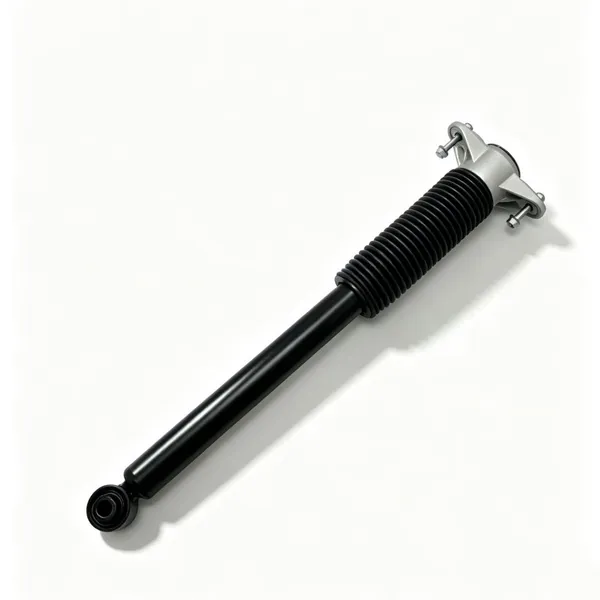
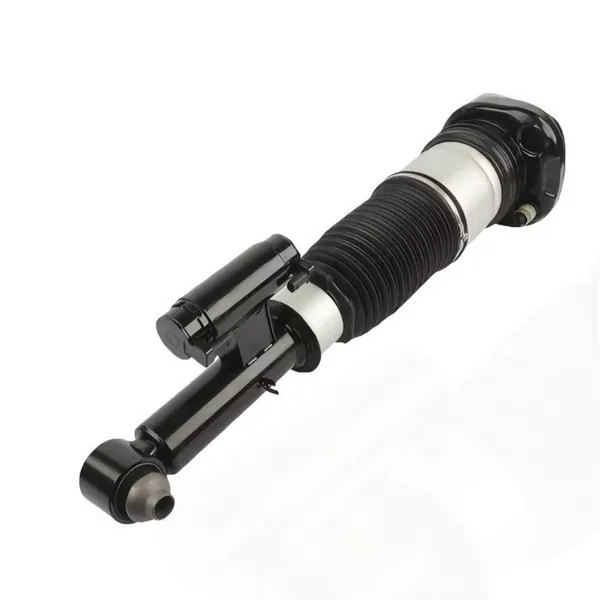
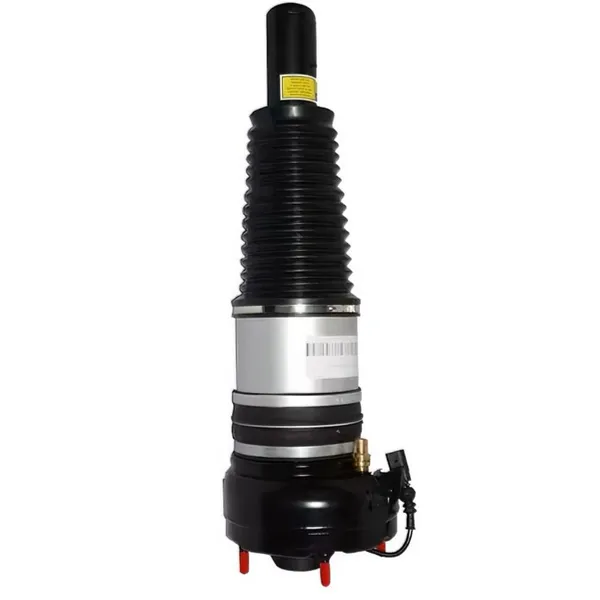
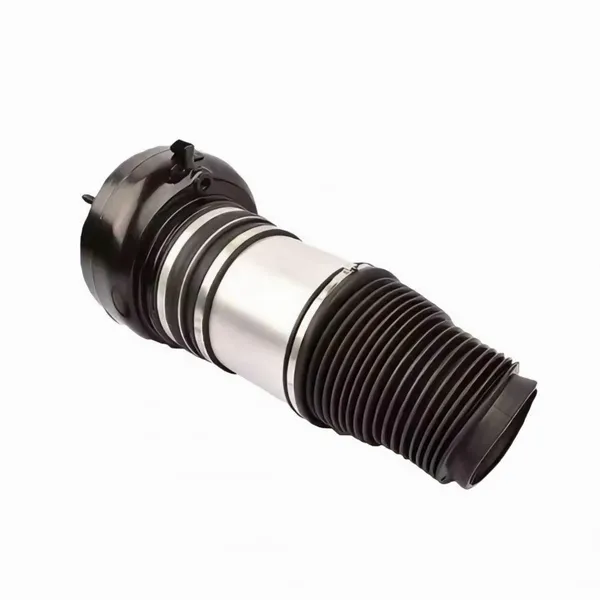
Air Shock Absorber for Bmw 7 740 I,Li 2019-2022 740 Li XDrive 2019-2022 725 D, Ld(Rear Right)US$ 129 - 139MOQ: 1 Unit
-
Air Shock Absorber for Audi A8 D4 A6 C7 A7US$ 230 - 235MOQ: 1 Unit
-
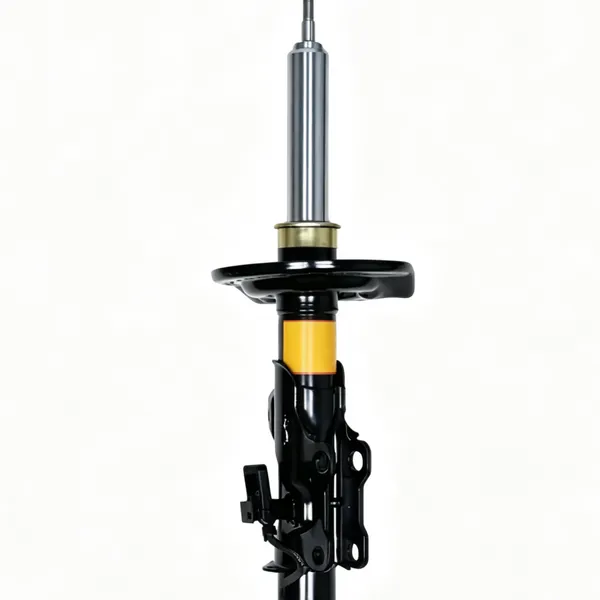
Front Air Suspension Shock Absorber for Audi A8 D4 4HUS$ 200 - 209MOQ: 1 Unit
-
Hydraulic Shock Absorber Assembly for Tesla Model 3 (2017-2023) Model Y 2020-2024 PerformanceUS$ 75 - 80MOQ: 1 Unit
-
Hydraulic Shock Absorber Assembly for Tesla Model 3 (2017-2023) Model Y 2020-2024 RWDUS$ 75 - 80MOQ: 1 Unit
-
Wholesale Auto Parts Car Shock Absorber for Toyota-Sienna 3.5L V6US$ 15MOQ: 50 Units
-
Electronic Type Shock Absorber Only for Quattroporte 2013-2017 GhibliUS$ 75 - 80MOQ: 1 Unit
-
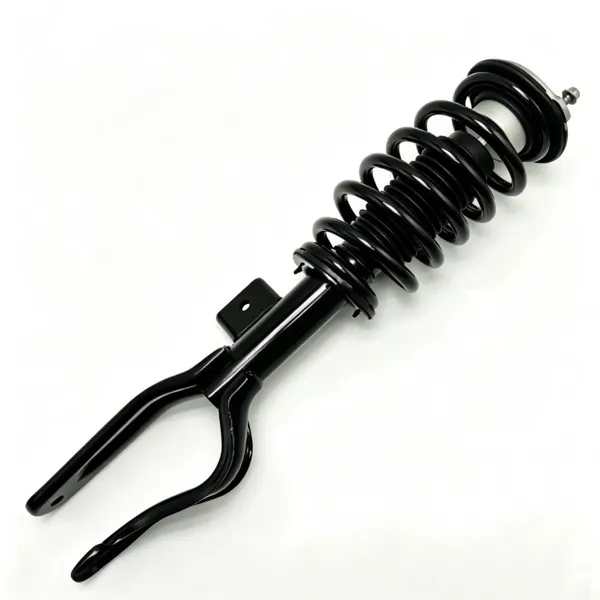
Off Road Shock Absorber Assembly for F150 Raptor 2011-2014US$ 175 - 195MOQ: 1 Unit
-
Electronic Shock Absorber Assembly for XC60 XC90 2018-2024 OE 31429978US$ 62 - 69MOQ: 1 Unit
-
Shock Absorber for Land Cruiser 300/LC300 2021- for LX600 2022- Front Left/RightUS$ 70 - 79MOQ: 1 Unit
-
Mercedes-Benz GLK350 EZ Strut Full Strut AssemblyUS$ 140MOQ: 2 Units
-
Land Rover Discovery 5 L462 2018-2020 New Defender Front Air Suspension Shock Absorber With ADSUS$ 152 - 165MOQ: 1 Unit
-
Rear Air Shock For LR3 LR4 Range Rover Sport 2005-2014 Air Suspension StrutUS$ 155MOQ: 2 Units